With salad dressing, a simple mix of vegetables becomes something crave-worthy. The right type of salad dressing makes all the difference by tying the ingredients together, adding moisture, and turning something basic into something memorable.
For anyone who enjoys cooking or simply eating well, learning the different salad dressings opens up a world of possibilities. This guide explores different types of salad dressing, from bright vinaigrettes to creamy classics. We’ll walk you through the main categories, break down what goes into each one, and share how they’re commonly used.
What is Salad Dressing?
Salad dressing has been around for centuries, with roots in some of the simplest combinations such as oil, vinegar, and a squeeze of citrus. These early versions added a bit of richness and cut through any bitterness in the leaves. Over time, cooks in different cultures and salad dressing suppliers started adding all sorts of ingredients—fresh herbs, fragrant spices, creamy dairy, tangy fermented ingredients—evolving dressing into the diverse category it is today.
A good dressing helps bind ingredients together, which is why creamy dressings are so good in things like potato salad or coleslaw. And their usefulness doesn’t stop at the salad bowl. A zesty vinaigrette, for instance, works wonderfully as a marinade. The acidity helps tenderize meats or vegetables while infusing them with flavor. Creamy dressings can do double duty as dips for raw veggies, chicken wings, or crackers. Some, like Caesar or Thousand Island, are even tasty spread on sandwiches or wraps as a flavorful alternative to mayonnaise. Once you start thinking about dressings this way, you’ll find tons of places to use them.
The Different Types of Salad Dressings
Vinaigrettes: Light, Balanced, and Easy to Mix
Vinaigrettes are the kind of dressings you can throw together with pantry staples. The usual formula is three parts oil to one part acid, but that can change depending on how punchy you want it. They’re a great match for fresh produce and don’t need a lot of extras to taste good.
Classic Vinaigrette
An everyday dressing, the classic vinaigrette is reliable for when you want something clean and flavorful. It’s the go-to for tossing with simple green salads, but it’s also great drizzled over roasted vegetables or used as a base for marinades. You can keep this type of salad dressing minimal with just oil and vinegar, or add things like a bit of garlic, a spoonful of mustard, or some fresh or dried herbs to give it more character.
- Key ingredients: Extra virgin olive oil, red or white wine vinegar, Dijon mustard (optional), garlic, salt, pepper, herbs
- Flavor profile: Tangy and balanced, highlights the oil and vinegar
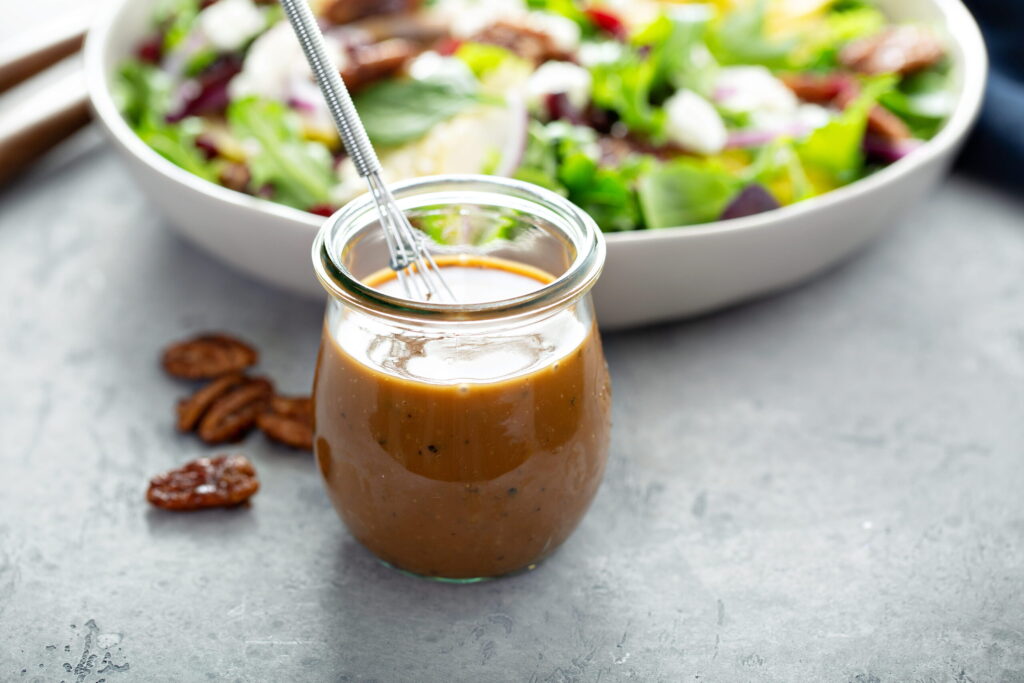
Balsamic Vinaigrette
This version gets its character from balsamic vinegar, which adds a slightly sweet, richer, and deeper flavor compared to other vinegars. The quality and age of the balsamic vinegar can make a big difference. Some kinds of this salad dressing are thick and syrupy, while others are sharper.
It’s delicious on salads that have ingredients like tomatoes, mozzarella, or strawberries. It’s also great drizzled over grilled vegetables or even spooned over chicken or steak after it’s cooked. Some even like dipping crusty bread into it.
- Key ingredients: Balsamic vinegar, olive oil, Dijon mustard, garlic, honey (optional)
- Flavor profile: Sweet and tangy with a rich, slightly fruity depth
French Dressing (Vinaigrette Style)
Before the creamy, often sweet, orange-colored version became popular in the United States, “French dressing” traditionally referred to a simple vinaigrette made with oil, vinegar, and herbs. It’s a clean-tasting, aromatic type of salad dressing that’s perfect for classic green salads or as a base if you want to build more flavors onto it.
- Key ingredients: Oil, vinegar, mixed herbs
- Flavor profile: Tangy and herb-forward
Italian Dressing (Vinaigrette Style)
A staple in many homes, this version, especially popular in Italian-American cooking, is known for its bold herbs and garlic. It’s not just for salads; it’s fantastic mixed into cold pasta salads or used to marinate chicken, pork, or vegetables before grilling. The combination of olive oil, red wine vinegar, lemon juice, garlic, and classic Italian spices gives it a savory, zesty kick.
- Key ingredients: Olive oil, red wine vinegar, lemon juice, garlic, oregano, basil, thyme, fennel
- Flavor profile: Savory, tangy, and loaded with aromatic herbs
Rich Dressings: Creamy, Bold, and Packed with Personality
Creamy types of salad dressing bring a smoother, richer feel to your food. They usually get their texture from ingredients like mayonnaise, sour cream, yogurt, or buttermilk. They also work wonderfully as dips, sandwich spreads, or quick sauces. Food ingredients suppliers may blend various herbs, spices, and pantry items for a concentrated burst of creamy flavor.
Ranch Dressing
Arguably one of the most popular dressings out there, ranch has become a staple for so many uses. It originated in the 1950s from the Hidden Valley Ranch in California (hence the name). Now, it’s used for everything from dressing salads to dipping chicken wings, pizza crusts, or raw vegetables. This kind of salad dressing is easy to make at home or find in any grocery store.
- Key ingredients: Buttermilk, mayonnaise, sour cream, garlic powder, onion powder, dried dill, parsley, salt, pepper
- Flavor profile: Creamy, tangy, savory with light herbal and garlic notes
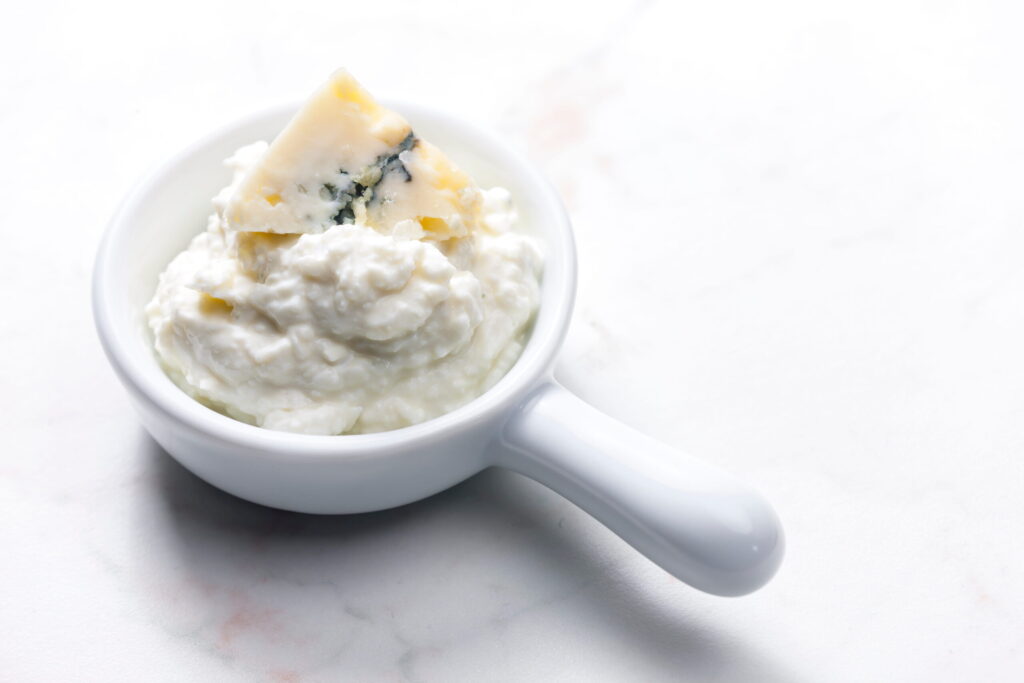
Blue Cheese Dressing
If you enjoy strong flavors, blue cheese dressing is a treat. It’s thick, rich, and delivers that signature sharp tang from crumbled blue cheese. This is a classic pairing for a simple wedge salad or with spicy buffalo wings, but it’s also tasty drizzled over grilled steak or a burger.
- Key ingredients: Blue cheese, mayonnaise, sour cream or yogurt, buttermilk or milk, vinegar, parsley, salt, pepper
- Flavor profile: Bold and tangy with a pungent, creamy bite
Thousand Island Dressing
This type of salad dressing is creamy and sweet, with a little tang from pickles and vinegar. It gets its unique flavor and texture from the addition of sweet pickle relish and sometimes finely chopped onion. It’s famous as a topping for burgers, but it’s also good on chopped salads.
- Key ingredients: Mayonnaise, ketchup, sweet pickle relish, onion, vinegar or lemon juice, paprika
- Flavor profile: Sweet, creamy, and tangy with a bit of texture
Caesar Dressing
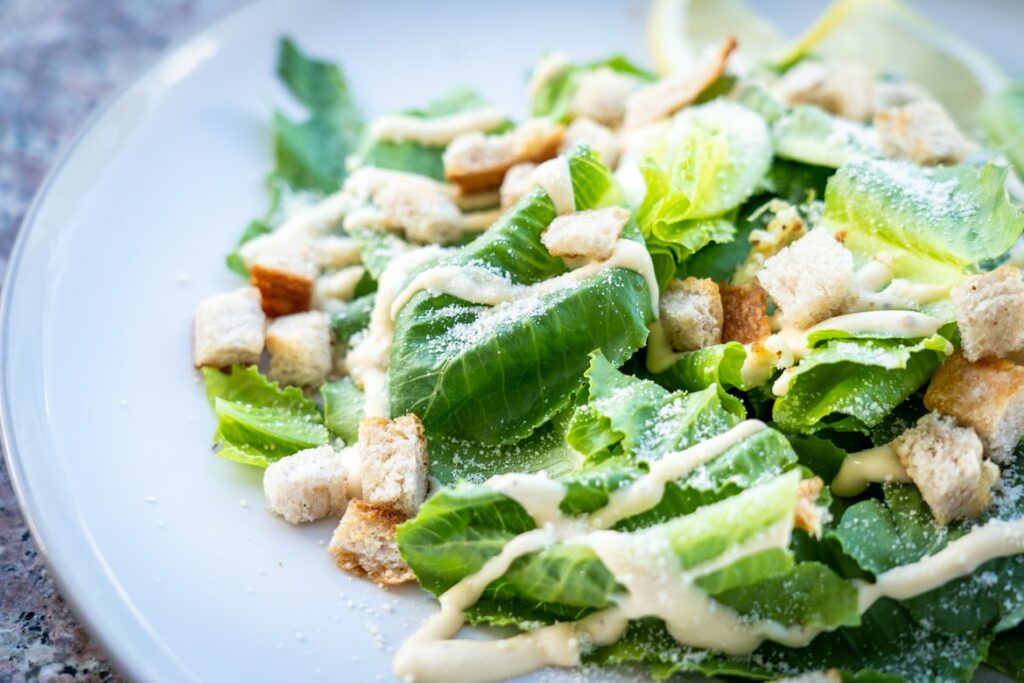
Created in Tijuana, Mexico by chef Caesar Cardini, this dressing wasn’t meant to be fancy—it was made from leftovers during a busy night. Now, it’s a staple type of salad dressing. Anchovies (or Worcestershire for a shortcut), garlic, and Parmesan give it that savory depth, while lemon and mustard add brightness. Beyond the classic salad, it’s great on wraps or as a dip.
- Key ingredients: Mayonnaise or olive oil and egg yolk, Parmesan, anchovies or Worcestershire, garlic, lemon juice, Dijon mustard, black pepper
- Flavor profile: Rich, tangy, and full of umami
Honey Mustard Dressing
This popular dressing hits a sweet and tangy note, thanks to the combination of honey and mustard. It gained popularity in American kitchens in the 1970s, but has roots in ancient Roman and Egyptian recipes! Use this type of dressing on salads, as a dipping sauce for chicken fingers or fries, or as a quick marinade. It pairs particularly well with anything crispy or grilled.
- Key ingredients: Mayonnaise, mustard (Dijon, yellow, or whole grain), honey, vinegar or lemon juice
- Flavor profile: Sweet and tangy with a clear mustard kick
Green Goddess Dressing
This vibrant green, herb-packed dressing dates back to the 1920s, reportedly created in a San Francisco hotel in honor of a popular play. The original version typically blended anchovies and lots of fresh herbs into a creamy base. It’s a wonderful type of dressing on salads, as a dip for raw vegetables, or even as a flavorful sauce for fish or chicken.
- Key ingredients: Mayonnaise, sour cream, anchovies, tarragon, chives, parsley, lemon juice (or avocado, yogurt for modern versions)
- Flavor profile: Bright, herbaceous, creamy, and fresh
Tahini Dressing
This dressing leans into the distinct nutty, slightly earthy, and creamy flavor of tahini (ground sesame). It’s usually balanced with lemon juice and garlic. Use it on fish, roasted vegetables, or other Mediterranean food.
- Key ingredients: Tahini, lemon juice, garlic, water, parsley or cilantro (optional)
- Flavor profile: Nutty, smooth, and tangy with a hint of sesame bitterness
Find the Right Type of Salad Dressing for Every Dish
Salad dressings do more than just add flavor; they help different ingredients work together, enhance textures, and keep meals interesting. From the light and tangy vinaigrettes to the rich, creamy blends, each type of dressing offers unique possibilities for home cooks and food lovers. By understanding what goes into each one, how they taste, and their common uses, it becomes much easier to choose or create the perfect match for any meal, whether it’s a simple side salad or a complex main dish bowl.
As a trusted salad dressing supplier in the Philippines, Oleo-Fats believes that making food taste great comes down to using quality ingredients. Whether you’re serving a crisp side salad with a light vinaigrette or crafting a signature main dish bowl that needs a rich, creamy dressing, getting your ingredients right makes every single bite more satisfying.
If you’re looking to bring more of that delicious flavor to your menu, explore the different salad dressing options we offer. Discover how partnering with Oleo-Fats can help you delight your customers!