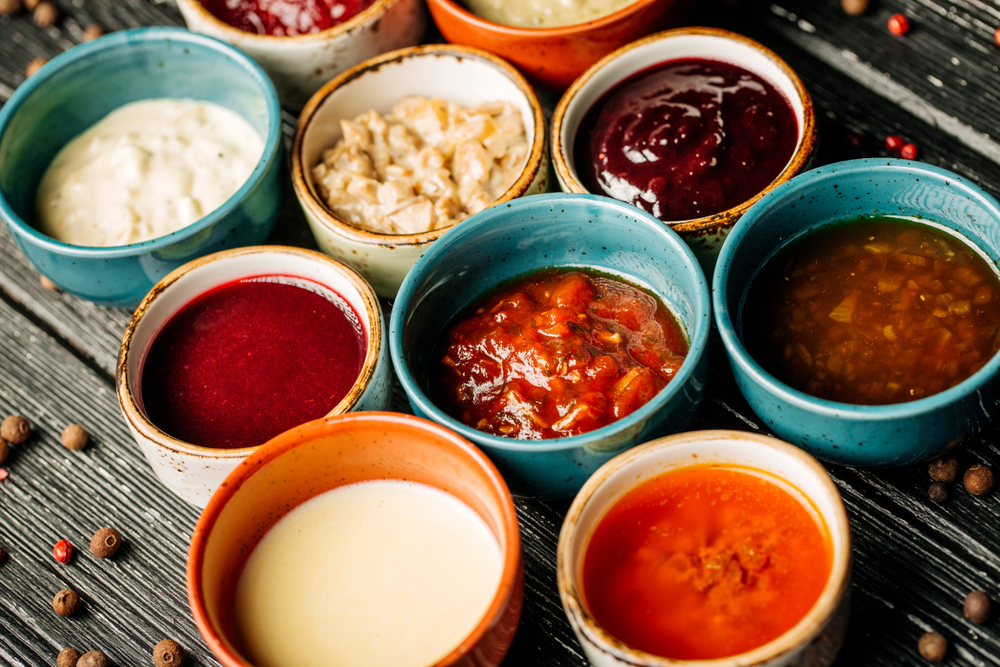
Sauces can turn a simple dish into something truly memorable. Learn more about the role of sauces in professional kitchens and the types of sauces available.
Key Takeaways
- Sauces play a vital role in flavor, texture, and efficiency in foodservice kitchens.
- Understanding the different types of sauces helps chefs build versatile menus across restaurants, catering, and institutional dining.
- Reliable suppliers and high-quality formulations help maintain consistency in high-volume production.
In foodservice kitchens and food manufacturing environments, sauces are essential tools for building flavor and maintaining consistency. A well-crafted sauce can transform a basic protein into a signature dish, give a salad its character, or take an entire menu to the next level.
But sauces do more than just enhance flavor and dining experience; they also bring efficiency for chefs, caterers, and food manufacturers. Understanding the role that different types of sauces play is fundamental to running an efficient, consistent, and creative kitchen.
Why Sauces Matter More Than You Think
It is tempting to view sauces as simply an accompaniment—something poured over a dish at the end. But in professional kitchens, sauces serve a greater purpose, both practical and creative:
Flavor Enhancement
Sauces bring depth and balance to dishes. They combine fats, liquids, and seasonings to create a harmony of taste and aroma. A savory gravy enhances roasted meats, while a tangy dressing brightens a fresh salad. In fast-food and casual-dining kitchens, sauces also help standardize flavor profiles so customers enjoy the same experience every time they visit.
Texture and Mouthfeel
Beyond flavor, sauces influence texture. Cream-based sauces add richness and smoothness, while lighter sauces like vinaigrettes add brightness without heaviness. In many dishes, sauces tie ingredients together, creating a cohesive bite that feels satisfying and complete.
Menu Versatility
One sauce can support several dishes. A tomato sauce may be used for pasta, pizza, or casseroles. This versatility allows kitchens to streamline preparation and expand menu offerings without increasing ingredient inventory. Versatile sauces also make large-scale cooking easier and more manageable.
Consistency in High-Volume Cooking
Consistency is crucial in professional kitchens. Customers expect the same flavor every time they order a dish. Using standardized sauce types ensures predictable results across multiple service periods or production batches.
Efficiency and Speed
Time is always of the essence in busy kitchens. Prepared sauces or standardized bases reduce cooking time and help kitchens deliver meals faster. Many operators rely on ready-to-use sauces to maintain efficiency without compromising full flavor.
Types of Mother Sauces
Sauces are categorized into major categories known as mother sauces in classical culinary practice. These mother sauces serve as base recipes for many other sauces, helping chefs and food manufacturers create a wide range of dishes.
1. Béchamel
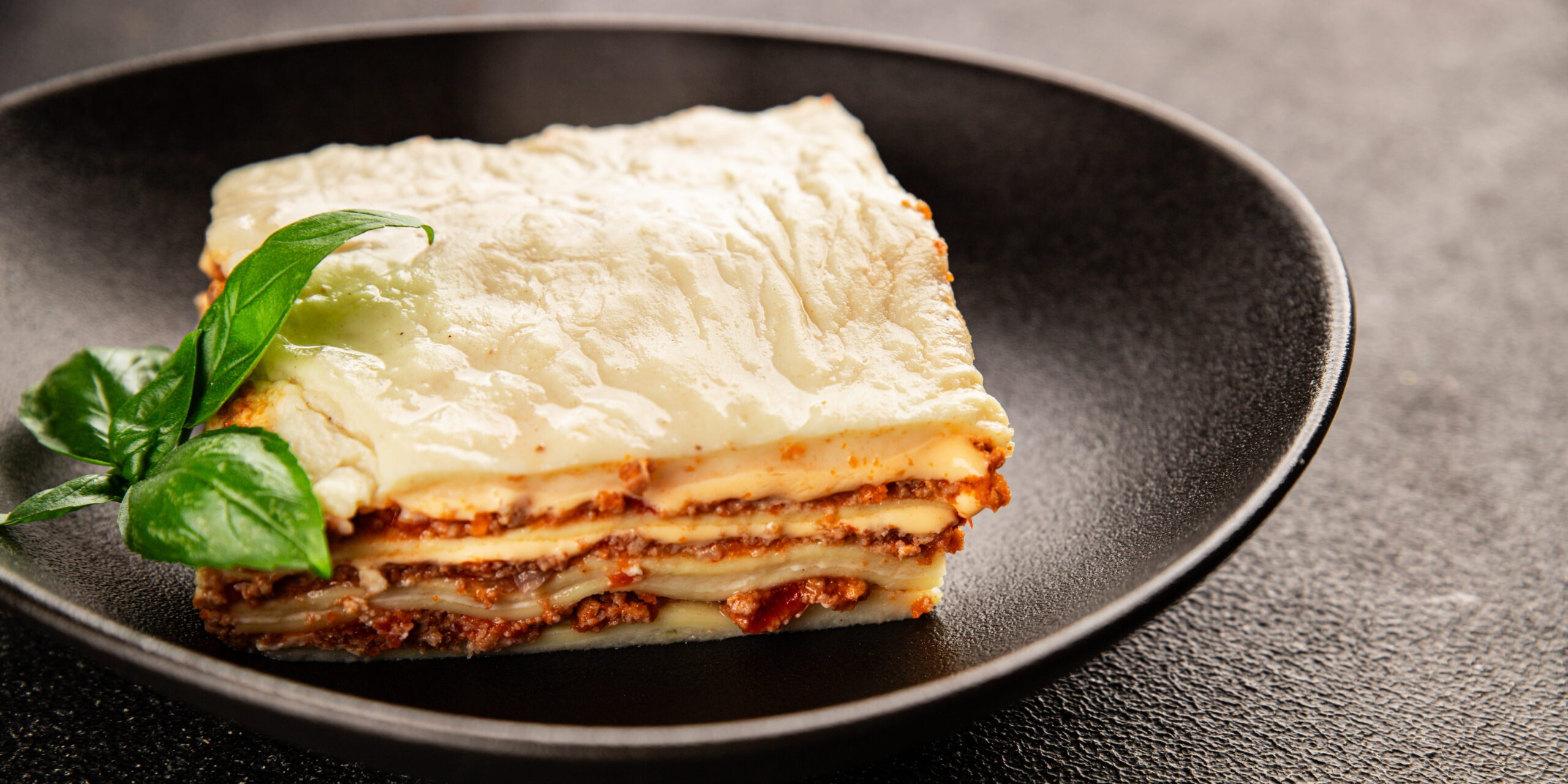
Béchamel is a creamy white sauce made from milk thickened with a roux of butter and flour. Its texture is smooth and velvety, with a mild, comforting flavor that pairs well with delicate ingredients. It releases a rich, warm dairy aroma when simmered gently.
This sauce is commonly used in dishes like lasagna, baked pasta, and gratins. From this base, several sauces can be created, including cheese sauce, Mornay sauce, and cream-based pasta sauces. These variations make Béchamel one of the most versatile sauce types.
2. Velouté
Velouté is a light, silky sauce made from a roux combined with stock, typically chicken, fish, or vegetable stock. Its texture is smooth and slightly glossy, with a subtle savory flavor that complements rather than overwhelms the main ingredient.
Velouté is widely used in soups, poultry dishes, and seafood preparations. Offshoots include sauces such as Allemande or Suprême, which add cream, herbs, or additional seasoning.
3. Espagnole
Espagnole is a rich brown sauce built from roasted bones, vegetables, tomato paste, and stock. It has a deep, savory aroma and a thick texture that coats meats beautifully.
This sauce is often used in braised meat dishes, stews, and hearty gravies. The intense flavor of these sauces makes them ideal for beef dishes, roasted meats, and slow-cooked meals, and they are often served in restaurants and catering operations.
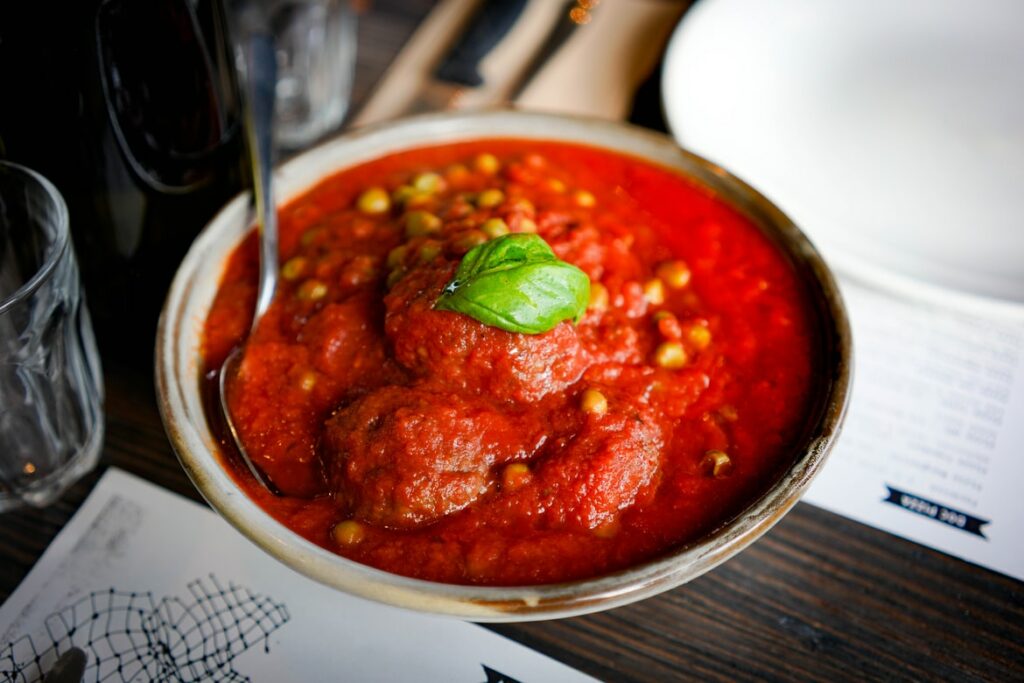
4. Tomato Sauce
Tomato sauce is bright, savory, and slightly tangy. It combines tomatoes with aromatics such as garlic, onions, and herbs. The sauce simmers until it becomes thick and fragrant, filling kitchens with the comforting aroma of slow-cooked tomatoes.
This sauce is widely used in pasta dishes, pizza bases, casseroles, and braised dishes. From tomato sauce come popular derivatives such as marinara, Bolognese, and pizza sauce. Because of its versatility, it remains one of the most widely used types of sauces in both restaurants and food manufacturing.
5. Hollandaise
Hollandaise is a luxurious sauce made by emulsifying egg yolks with butter and lemon juice. The texture is creamy and smooth, with a bright, buttery flavor that balances richness with acidity.
This sauce is commonly paired with eggs Benedict, steamed vegetables, and seafood. Its derivatives include Béarnaise sauce and other herb-infused variations.
Other Sauce Types
While the classical mother sauces form the foundation of culinary training, modern foodservice kitchens rely on a wider range of sauces to support diverse menus and faster preparation. These include:
1. Dressings
Dressings are essential for salads and cold dishes. They add brightness and balance, especially in fresh vegetable preparations. Popular dressings include classic vinaigrettes and Caesar dressings, as well as creamy ranch, tahini, and modern Asian-inspired profiles.
2. Marinades
Marinades do their work before cooking, penetrating proteins to tenderize, flavor, and sometimes chemically alter texture. Commercial kitchens process large volumes of chicken, beef, pork, or seafood by applying marinades systematically in tumbling machines, vats, or injection systems—rather than being simply brushed on.
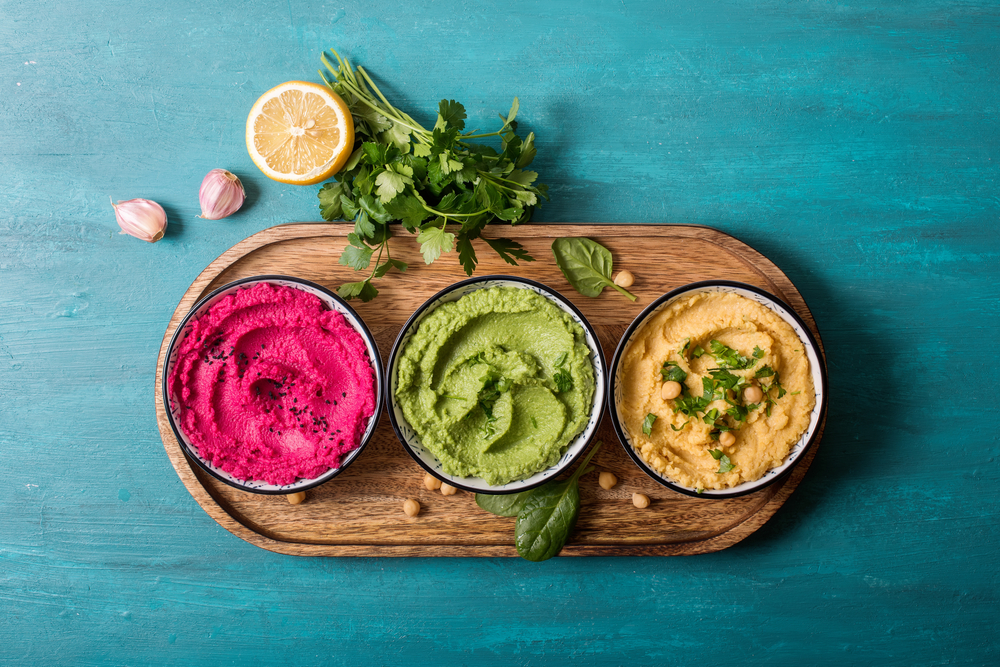
3. Dips and Spreads
Dips are popular for appetizers and snacks. They provide flavor variety and are easy to portion for consistent service. Examples include aioli, hummus, guacamole, salsa, and queso. For operators, dips and spreads need to look appealing, hold well in refrigerated displays, and maintain flavor integrity throughout the service period.
4. Finishing Sauces
Finishing sauces are applied at or near the end of the cooking process to elevate a dish’s flavour, gloss, and visual appeal. These include pan sauces made from fond, rich reductions, and butter-mounted sauces. In casual and fine-dining environments, finishing sauces signal quality to diners—that extra layer of care and flavor that makes a plate memorable.
5. Compound Sauces
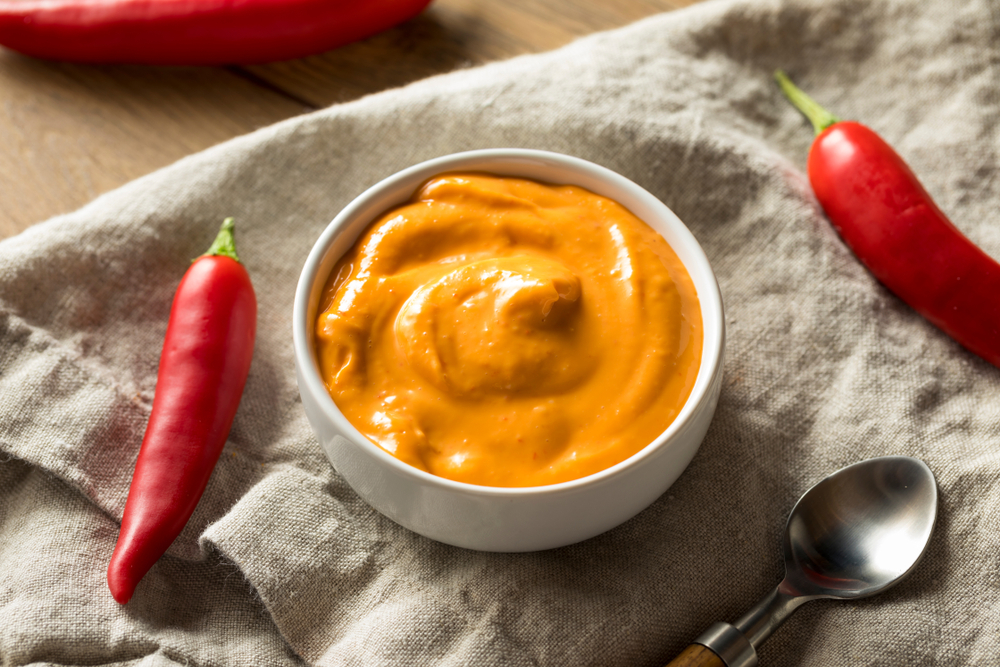
Compound sauces combine multiple ingredients or base sauces to create new flavor profiles. Examples include barbecue sauce, cheese sauce, and spicy mayonnaise. In classical kitchens, these are made from scratch with considerable skill.
Sauce Applications Across Different Foodservice Contexts
Foodservice environments use sauces in fundamentally different ways. Understanding this helps operators make the right sourcing and production decisions.
Fast Food and Quick Service Restaurants (QSR)
Speed, portion control, and absolute consistency are the priorities in QSR. Cook-up sauces arrive in portioned sachets, squeeze bottles, or dispensed systems.
Casual Dining
Casual dining kitchens balance the need for consistency with the expectation of some freshness and craft. Sauces are more visible on menus because they are described, featured, and often serve as a talking point. The goal is to replicate quality across peak service periods and teams.
Catering and Events
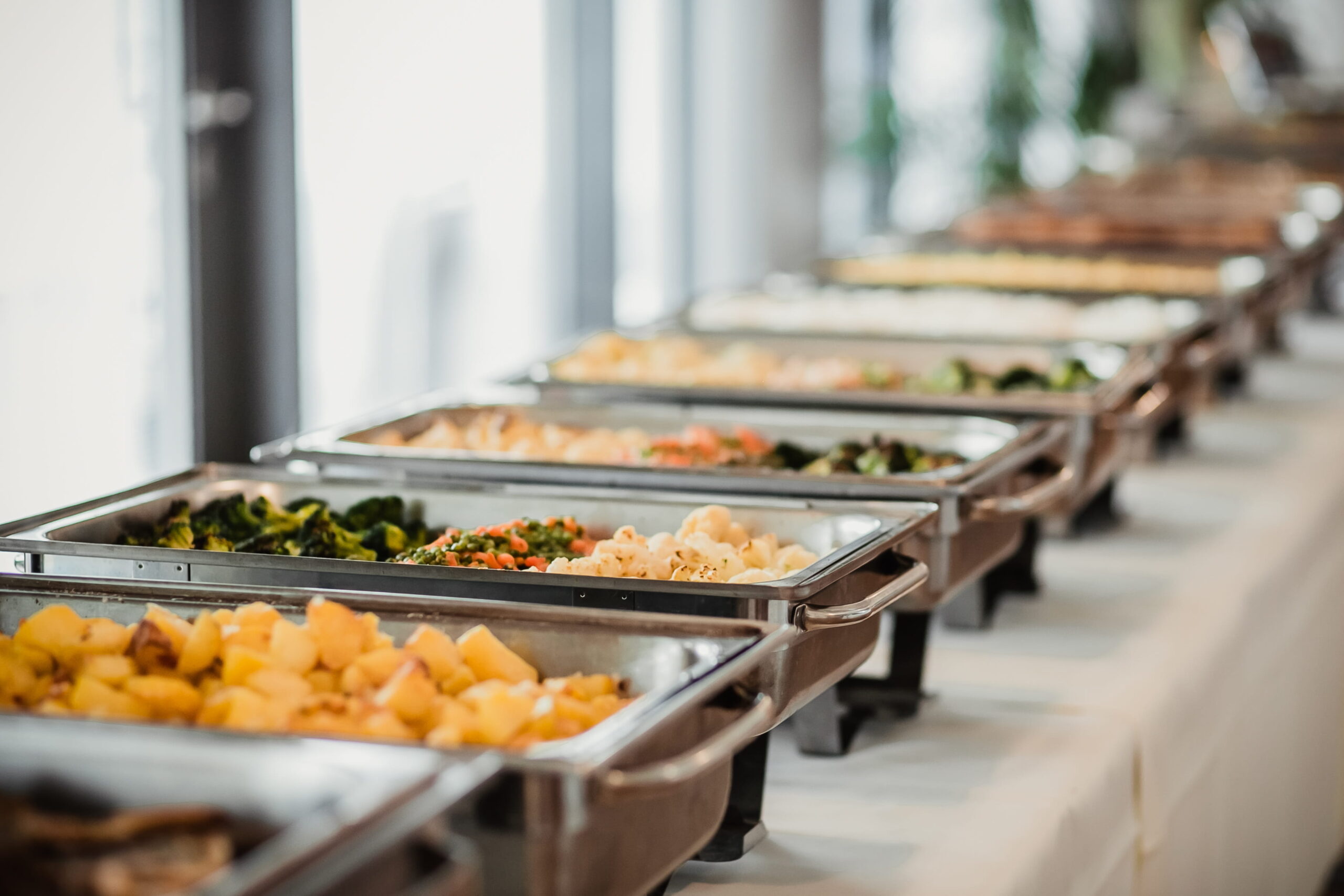
Catering kitchens often work in advance and at extreme volume. Sauces must hold well — they are frequently prepared hours or even a day before service, transported, and held at the correct temperature.
Institutional Kitchens
Hospital, school, workplace, and airline catering kitchens operate to strict nutritional, allergen, and cost parameters. Sauces must be reliably consistent day after day, often made by staff without formal culinary training. Ease of preparation, clarity of labelling, and compliance with dietary specifications are as important as flavor.
Consistent Flavor Starts With Reliable Sauce Solutions
Sauces are at the heart of many unforgettable dishes. Understanding the different types of sauces used in professional kitchens helps chefs and food manufacturers develop menus that are both exciting and efficient.
Sourcing the right sauce products requires a partner who understands both the culinary standards and the operational realities of food service at scale. This is where Oleo-Fats, Incorporated comes in.
As a trusted sauces manufacturer, we provide solutions designed specifically for large kitchens and production facilities. Our products help businesses maintain consistent flavor, reduce preparation time, and improve kitchen productivity.
Contact us today to learn more about our innovative sauce selection.
Frequently Asked Questions
1. What are the five classical mother sauces?
The five classical mother sauces are Béchamel, Velouté, Espagnole, Tomato sauce, and Hollandaise. These sauces serve as the foundation for many other sauces used in professional kitchens.
2. Why are sauces important in foodservice kitchens?
Sauces enhance flavor, improve texture, and help maintain consistency across dishes. They also allow kitchens to create multiple menu items from a single base preparation.
3. What is the difference between cook-up sauces and ready-to-use sauces?
Cook-up sauces require heating or minimal preparation before serving, while ready-to-use sauces can be used directly in dishes without further cooking.
4. How do sauces help improve kitchen efficiency?
Using standardized sauces allows chefs to reduce preparation time, streamline workflows, and ensure consistent flavor across large-scale food production.
5. Can sauces be used in food manufacturing as well as in restaurants?
Yes. Many sauce types are widely used in food manufacturing to add flavor and consistency to prepared meals, packaged foods, and frozen dishes.