Cooking oil plays a much bigger role in food production than simply heating ingredients. In large-scale manufacturing and commercial kitchens, it improves texture, preserves freshness, and contributes to the overall quality of finished products.
For food manufacturers producing snacks, baked goods, and ready-to-eat meals, knowing the uses of cooking oil is essential for maintaining product consistency and performance across batches.
In this article, we’ll look at how cooking oils are used across different food categories and why choosing the right one can make a real difference in both product quality and operations.
What are the Uses of Cooking Oil in Food Manufacturing
Cooking oil is one of the most versatile ingredients in the food industry. Its functional properties make it valuable in several applications, from cooking processes to formulation and preservation. Below are some of the most common cooking oil uses in food manufacturing:
Frying Medium for Snacks and Prepared Foods
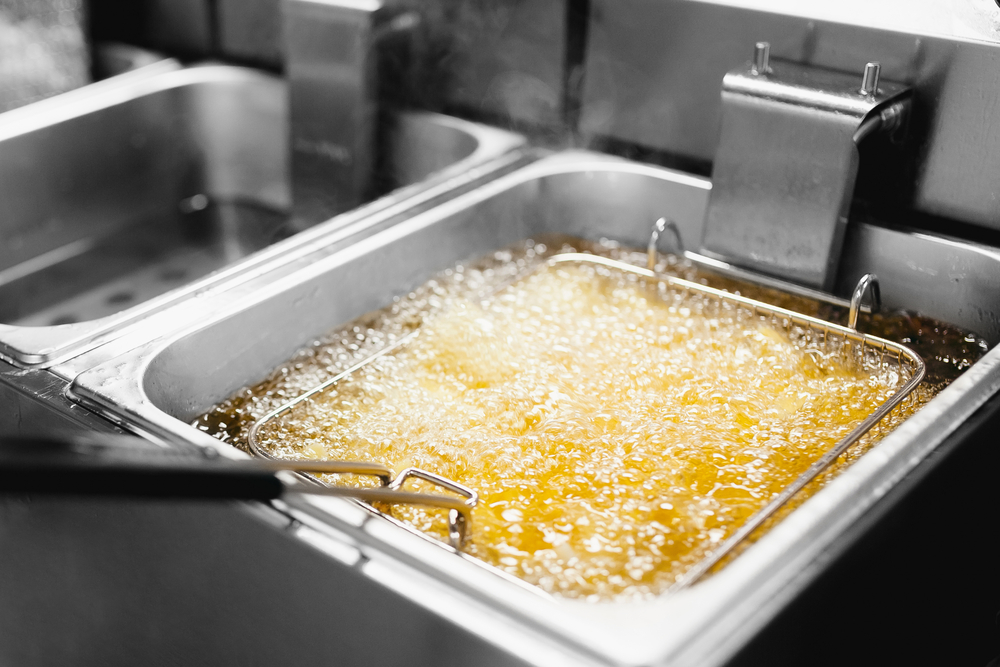
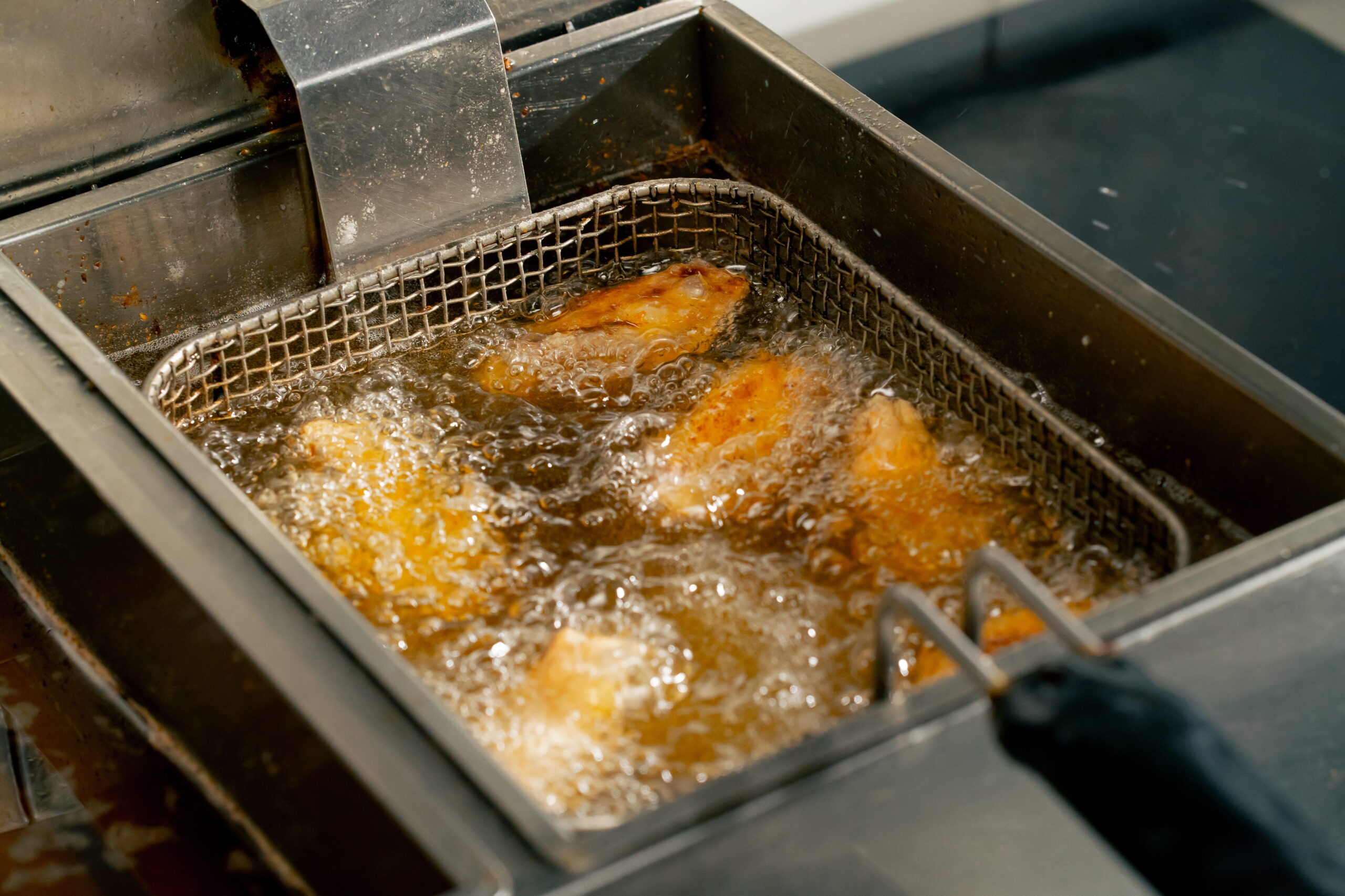
One of the most widely known uses of cooking oil is as a frying medium. In snack production and commercial food preparation, oils are used to cook products quickly while developing the desired texture and flavor.
Food manufacturers rely on frying oils for products such as:
- Potato chips and snack crisps
- Fried noodles
- Frozen appetizers
- Breaded meat products
- Fast-food items
When used for frying, cooking oil transfers heat efficiently to the product while helping create a crispy outer texture. Certain oils are selected for their stability at high temperatures and for their ability to support longer frying cycles.
For manufacturers, selecting the right oil helps maintain consistent frying performance and reduce production downtime.
Businesses working with a reliable cooking oil distributor can also benefit from oils specifically formulated for industrial frying applications.
Enhancing Texture in Baked Goods
Another important role of cooking oil in food production is improving the texture of baked products. Oils contribute to softness, tenderness, and crumb structure in many bakery items.
Common baked goods that use cooking oils include:
- Cakes and muffins
- Bread and pastries
- Cookies and biscuits
- Snack bars
In these applications, oil helps prevent baked goods from drying out. It also allows dough and batter to retain moisture during baking.
This is one reason manufacturers carefully select oils based on their functional performance in baked goods. The right oil can improve mouthfeel and help maintain product freshness.
Supporting Emulsification in Sauces and Dressings
Many food products require oil to stabilize mixtures of ingredients that would otherwise separate. This is particularly important in sauces, dressings, and condiments.
In emulsified products, oil works together with emulsifiers to create a stable mixture.
Examples include:
- Mayonnaise
- Salad dressings
- Creamy sauces
- Marinades
In these applications, oil helps create a smooth texture and consistent appearance. It also contributes to flavor richness and improves mouthfeel.
Because emulsification requires precise formulation, manufacturers often test several oil options to find the one that provides the most stable results.
Improving Mouthfeel and Flavor
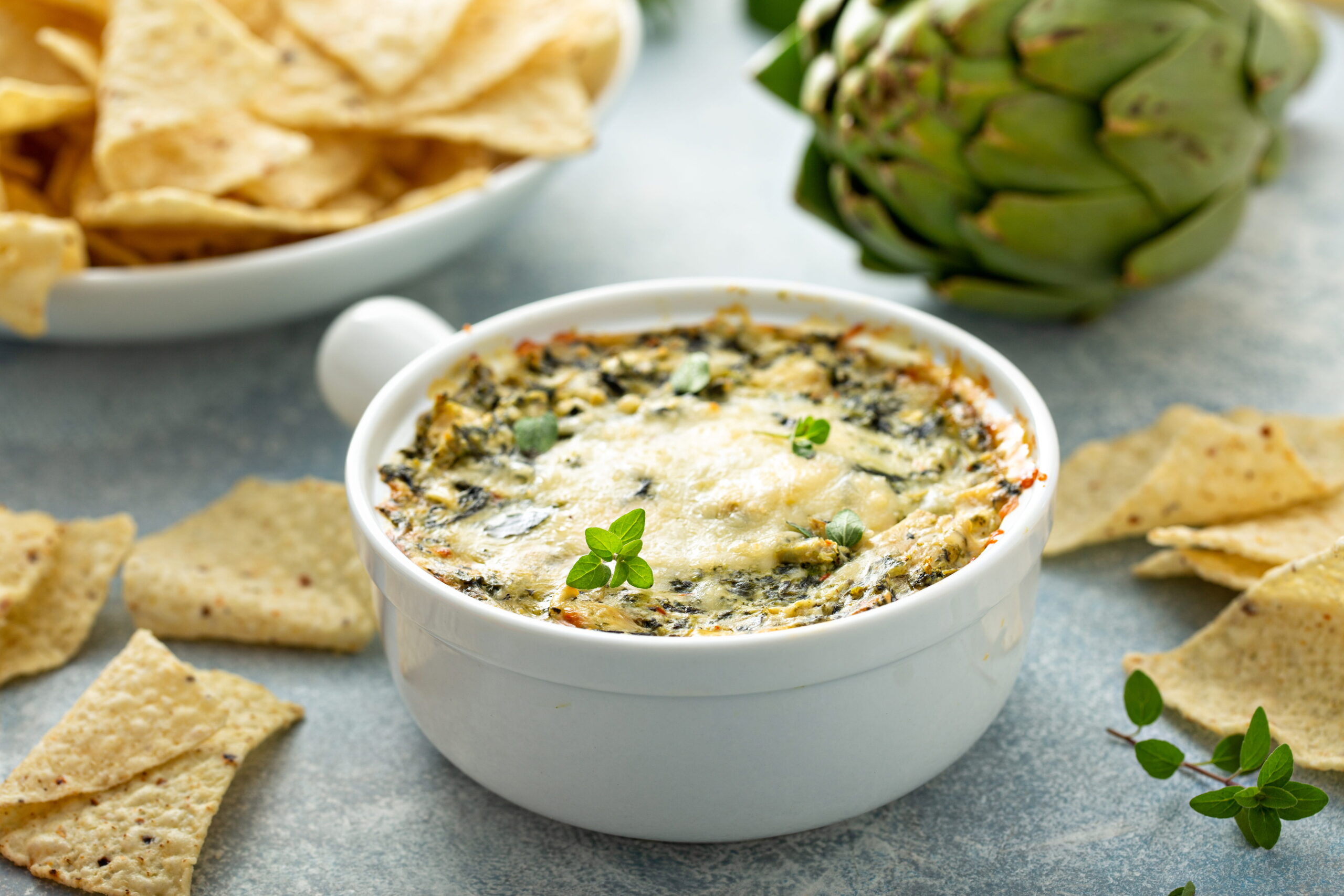
Cooking oils also enhance the sensory qualities of food products. In many formulations, oil contributes to a smoother mouthfeel and a more satisfying eating experience.
For example, oils can:
- Add richness to sauces and spreads
- Improve creaminess in plant-based products
- Balance flavors in processed foods
This is especially important for ready-to-eat meals and convenience foods, where flavor and texture influence consumer satisfaction.
Different oils have unique flavor profiles, which is why manufacturers often choose oils carefully based on the type of product being developed.
Businesses looking to refine their formulations may explore different types of cooking oil to determine which option performs best in their product line.
Moisture Retention and Shelf Life
One of the less-obvious uses of cooking oil in food manufacturing is its role in moisture retention.
Oils help lock moisture into food products, preventing them from drying out during storage. This contributes to a longer shelf life and improved product stability.
This function is especially important for:
- Baked goods
- Snack foods
- Processed meals
- Packaged foods
By maintaining moisture levels, cooking oils help preserve texture and product quality throughout distribution and retail storage.
For food manufacturers producing large volumes of packaged products, this role is essential in maintaining consistent product performance.
Ingredient Carrier in Flavor Systems
Cooking oils also function as carriers for flavor compounds. Because many flavors dissolve easily in fat, oils help distribute flavor evenly throughout a product.
This is particularly important in:
- Seasoned snacks
- Sauces and spreads
- Instant noodle flavor packets
- Processed meat products
Using oil as a flavor carrier helps manufacturers achieve consistent taste profiles across batches. This ensures that consumers experience the same flavor every time they purchase a product.
Applications in Dairy Alternatives and Plant-Based Products
As plant-based foods continue to grow in popularity, oils have become an important ingredient in dairy alternatives.
Cooking oils are used to create texture and creaminess in products such as:
- Plant-based milk
- Vegan cheese
- Non-dairy creamers
- Plant-based desserts
In these applications, oils help replicate the richness and mouthfeel traditionally provided by dairy fats. Because of this, many manufacturers select oils that offer neutral flavors and smooth textures.

How Different Types of Oil Affect Processing and Consistency
While many oils can perform similar functions, each oil behaves differently during processing. Factors such as fatty acid composition, stability, and flavor influence how oils perform in manufacturing environments.
For example:
- Processing Stability: Some oils remain stable at high temperatures, making them suitable for frying and other cooking processes
- Flavor Neutrality: Neutral oils allow other ingredients to shine without affecting the product’s taste.
- Texture Contribution: Certain oils contribute to creaminess or softness in finished products.
Because of these differences, manufacturers often test multiple oils before finalizing product formulations.
Support Your Food Production With Reliable Cooking Oil Solutions
Cooking oils play a central role in food manufacturing. From frying and baking to emulsification and flavor development, the uses of cooking oil extend across nearly every category of processed food.
In large-scale food production, selecting the right oil supplier can be just as important as selecting the oil itself. By choosing a trusted supplier, food businesses can streamline sourcing while ensuring reliable access to the oils they depend on.
Manufacturers often require cooking oils that are:
- Consistent in quality
- Available in bulk volumes
- Tailored to specific applications
- Supported by reliable supply chains
Oleo-Fats, Incorporated provides cooking oil solutions designed to meet the needs of modern food manufacturers and commercial kitchens.
With extensive experience serving the food industry, it delivers specialty fats, oils, and food ingredients designed for diverse manufacturing environments. Its customized solutions are available for large-volume clients and maintain consistent product performance while simplifying sourcing and supply chain management.
If your business is looking for reliable cooking oils or specialized oil solutions for food production, partner with Oleo-Fats today.