For something so often found in our refrigerators and on our tables, knowing the difference between mayonnaise and all-purpose dressing can sometimes feel a bit confusing. At first glance, they may seem interchangeable—creamy, tangy, and perfect for adding flavor—but each brings character and culinary potential.
This guide takes a closer look at the mayonnaise vs all-purpose dressing. From how they’re made to how they taste and where they shine best in cooking, we’ll explore their unique qualities and uses. Whether you’re layering flavors in a sandwich, building a salad from scratch, or crafting your own sauces at home, knowing which condiment to reach for—and why—can make all the difference.
Mayonnaise
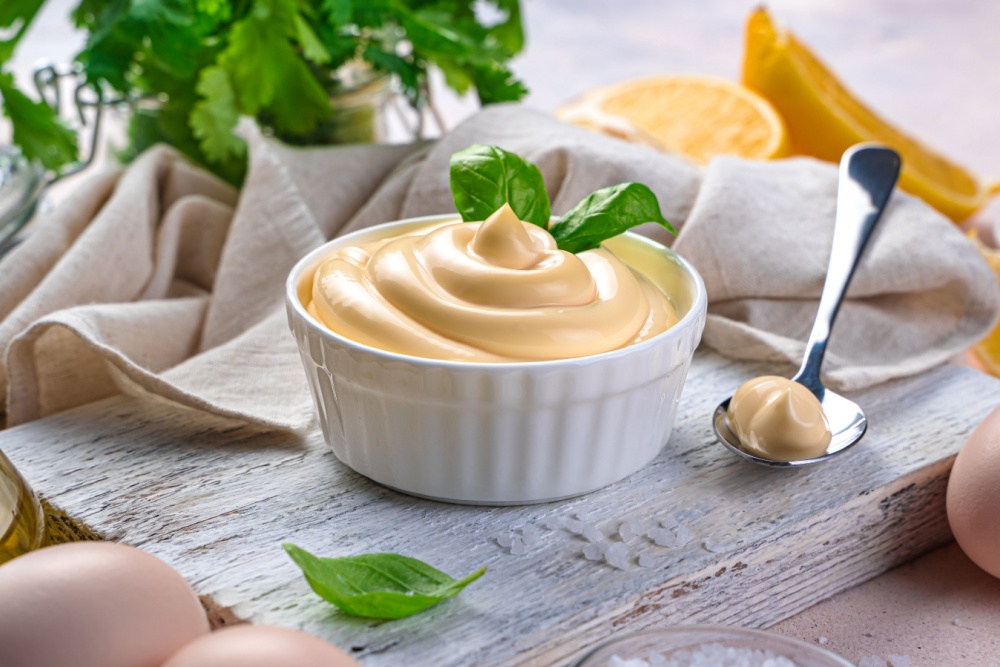
At its core, mayonnaise is characterized as a stable emulsion. This means it is a mixture of two liquids that typically do not naturally combine, such as oil and a water-based liquid (like vinegar or lemon juice in this context). These are effectively dispersed within each other and maintained in a smooth, blended state.
- What Goes In: The essential ingredients for mayonnaise are vegetable oil (typically a neutral one like soybean, canola, or sunflower), egg yolk, and an acid, usually vinegar or lemon juice. The egg yolk contains lecithin, which is a powerful emulsifier. It acts like a mediator, helping the tiny droplets of oil and acid stay suspended within each other rather than separating.
For those looking to bring the best quality into their kitchens, sourcing mayonnaise from a trusted mayonnaise supplier ensures the freshest ingredients and the right balance of flavors for your recipes. - How It’s Made: Making mayonnaise involves slowly adding the oil to the egg yolk and acid while continuously whisking or blending vigorously. This process breaks the oil into incredibly small droplets that get surrounded by the lecithin from the egg yolk, creating a thick, stable mixture.
- Texture and Flavor: Compared to all-purpose dressing, real mayonnaise has a distinctively thick, smooth, and creamy texture. It’s rich and has a tangy flavor from the acid, balanced by the richness of the oil and a subtle savory note from the egg yolk. The flavor is generally consistent, though different oils or acids can slightly alter the taste.
All-Purpose Dressing
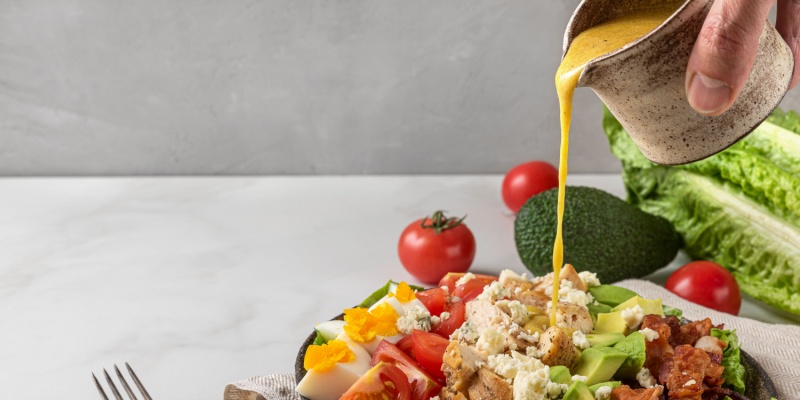
The term “all-purpose dressing” often refers to a type of creamy dressing designed to be versatile enough for use beyond just leafy green salads. While all-purpose dressing shares similarities vs mayonnaise in appearance and texture, its composition can differ, making it suitable for a broader range of dishes like marinades and dips.
- What Goes In: Like mayonnaise, all-purpose dressing contains oil and acid, but the specific types and ratios can vary. All-purpose dressings often include water, different vinegars or citrus juices, sweeteners (sugar is common), salt, herbs, spices, and various thickeners and stabilizers to give them a consistent texture that works across different applications. They may or may not contain egg yolk and might have a lower oil content compared to traditional mayonnaise.
- How It’s Made: The production process for all-purpose dressing typically involves blending the oils and water-based ingredients, often with the help of emulsifiers and stabilizers. These added ingredients are key to creating a consistent, shelf-stable product that maintains its texture and prevents separation, making it convenient for broad use.
When choosing an all-purpose dressing, it’s essential to consider the reliability and quality of the all-purpose dressing manufacturer you buy from. A reputable supplier can provide consistent, high-quality dressings for both home kitchens and restaurants. - Texture and Flavor: All-purpose dressing usually has a creamy texture, though its thickness might vary between brands and specific formulations. All-purpose dressing can sometimes be slightly thinner vs the firm, consistent texture of mayonnaise, depending on the thickeners used. The flavors are designed to be broadly appealing—often a balance of sweet, tangy, and savory notes, intended to complement a variety of foods rather than having the singular, rich, tangy profile of mayonnaise.
All-Purpose Dressing vs Mayonnaise: What are the Differences?
Let’s put the main distinctions side-by-side:
- Ingredients: A fundamental difference is in their composition. Mayonnaise, by definition, requires egg yolk and a high oil content (often 65-80%). All-purpose dressing, while oil-based and often creamy, may have less oil (around 30-50%), might not include egg yolk, and typically contains added sweeteners, water, and a variety of thickeners and stabilizers not standard in traditional mayonnaise.
- Emulsification: Mayonnaise is a stable emulsion created naturally by the lecithin in egg yolk at a specific fat-to-liquid ratio. All-purpose dressing uses processing and often relies more heavily on added starches or other stabilizers to maintain its creamy consistency and prevent separation over time, rather than solely on a natural emulsion.
- Texture and Consistency: Real mayonnaise has a consistently thick, smooth, and semi-solid texture. All-purpose dressing can vary in thickness vs mayonnaise, and some might be thinner or have a slightly different mouthfeel depending on the thickeners used.
- Flavor Profile: Mayonnaise has a specific, balanced, tangy, and rich flavor driven by the oil, egg, and acid. All-purpose dressing typically has a flavor profile balanced for broad appeal, often sweeter and sometimes tangier than mayonnaise, with a blend of savory notes designed to complement many different types of food and applications beyond just salads.
An all-purpose dressing supplier can offer a wide range of dressings that suit different types of salads, from creamy ranch to lighter vinaigrettes, helping you easily experiment with different flavors in your meal
- Purpose: Mayonnaise is a specific condiment and base with a defined standard. All-purpose dressing is a category of condiment formulated specifically for broad culinary use, intended to function well as a dressing, dip, spread, or ingredient in various recipes.
Similarities of All-Purpose Dressing and Mayonnaise
Despite the differences of mayonnaise vs all-purpose dressing, they do share some common ground:
- Often Oil-Based: Both are made with oil as a primary ingredient, which contributes to their richness and ability to coat food.
- Used as Condiments and Bases: Both are commonly used directly on food for flavor and moisture. They can also serve as convenient bases for creating other dips or spreads.
- Emulsification: While the method differs, both involve blending ingredients that wouldn’t naturally stay mixed and are formulated to remain stable and consistent for ease of use.
- Enhancing Flavor and Texture: Both are used in cooking and as condiments to add flavor, moisture, and a desirably rich, creamy texture to dishes.
Choosing the Right One for Your Recipe
Knowing the differences helps you make the best choice when you’re cooking. When deciding between all-purpose dressing vs mayonnaise, ask yourself what you want the condiment to do in your recipe:
Do you need a rich, stable binding agent? Mayonnaise is excellent for things like chicken salad, tuna salad, or potato salad. Its high oil content and stable emulsion provide that creamy, cohesive texture that helps bind ingredients.
While some all-purpose dressings are thick, their formulation might mean they don’t bind quite the same way as mayonnaise.
Are you making a classic recipe? Many classic dishes have mayonnaise in their ingredient lists. Recipes for things like deviled eggs, classic coleslaw, or certain sandwich spreads are often built around the specific texture, richness, and flavor of traditional mayonnaise. Using an all-purpose dressing here might result in a different texture or an unintended sweetness or tanginess that changes the classic outcome.
Are you looking for a convenient, versatile condiment with a balanced flavor? All-purpose dressing is formulated for just that. Compared to mayonnaise, the balanced flavor profile of all-purpose dressing is designed to work well across many different types of dishes. This makes it a go-to for general use when you want a consistent, broadly appealing taste without needing to mix other ingredients in.
Can mayonnaise and all-purpose dressing be used interchangeably? While both are used for dips and spreads, they aren’t always interchangeable. They can often be swapped in simple dips where other flavors are added. However, use mayonnaise when its specific rich base or classic texture is needed, and use all-purpose dressing when its distinct pre-set flavor is desired, as mayonnaise alone won’t provide that.
When creating sauces, dips, or dressings from scratch, sourcing quality ingredients makes all the difference. A reliable food supplier can provide high-grade oils, emulsifiers, and other essentials that help you achieve the perfect flavor and texture every time.
Elevate Every Bite with the Right Condiment
Mayonnaise and all-purpose dressing may share shelf space and even a few ingredients, but they serve very different roles in your kitchen. Mayonnaise offers a consistently rich, stable, and thick base ideal for binding and providing a classic tangy richness, while all-purpose dressing is formulated for versatility, offering a balanced, often sweeter flavor and a texture intended for wide use as a general condiment.
By understanding the difference between mayonnaise and all-purpose dressing, you’re better equipped to create mouthwatering meals. At Oleo-Fats, we understand the science and craft behind your everyday essentials. As a food ingredients supplier, our high-quality oils and specialty fats are designed to help food makers—from home cooks to large-scale producers—create products that deliver on both taste and performance.
Curious about how better ingredients can make a difference in your kitchen or your brand? Explore our solutions today!