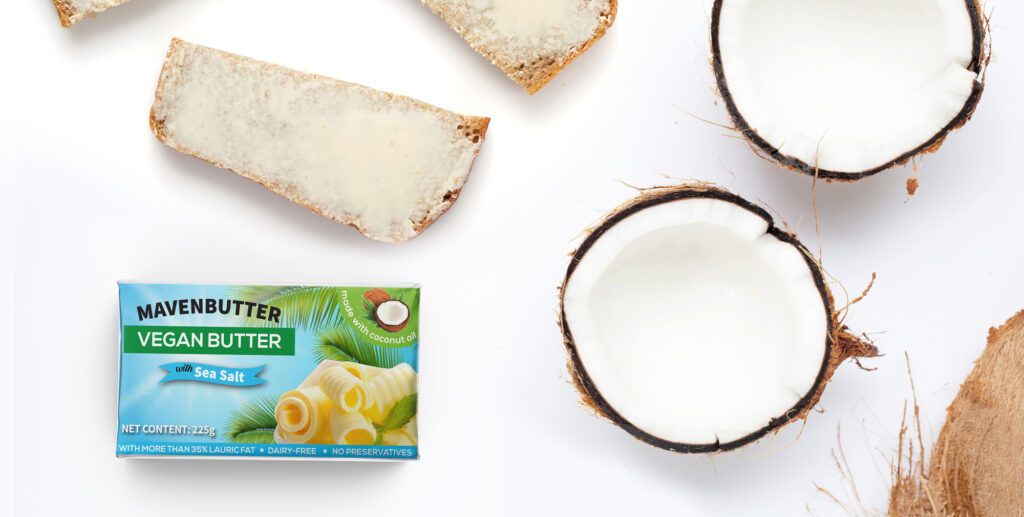

Coconut oil continues to play a vital role in the global food industry as a highly functional ingredient valued for its unique composition and versatility. For food manufacturers, understanding the science behind coconut oil’s structure provides the foundation for smarter formulation decisions, better product performance, and stronger consumer trust.
The Components That Define Coconut Oil
Coconut oil’s technical value lies in its fatty acid composition. It is composed almost entirely of fat — about 80–90% saturated. This unique chemical structure determines the oil’s stability, digestibility, and versatility in both industrial and nutritional applications.
Medium-Chain Triglycerides (MCTs)
Coconut oil contains around 65% medium-chain triglycerides (MCTs)—fatty acids with carbon chain lengths of 6 to 12. Unlike long-chain fatty acids found in other oils, MCTs are smaller molecules that are rapidly metabolized and more resistant to oxidation. This gives coconut oil an exceptional shelf life and thermal stability, making it a preferred choice in food processing and high-temperature applications.
Key Fatty Acids and Their Contributions
- Lauric Acid – Comprising roughly 47% of coconut oil, lauric acid is its defining component. It contributes to antimicrobial properties and excellent oxidative stability, which are valuable for food preservation and consistency.
- Caprylic Acid – Representing about 8%, this acid supports the oil’s antibacterial strength and contributes to rapid energy release when metabolized, a desirable attribute in functional foods.
- Capric Acid – At around 5%, the capric acid component of coconut oil complements lauric acid’s microbial defense. It also adds emollient qualities that help moisturize and soften skin, extending its use to cosmetic purposes.
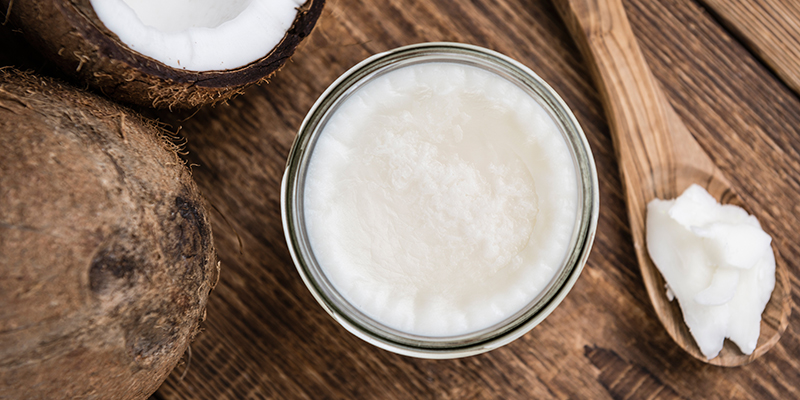
- Myristic and Palmitic Acids – Palmitic acid and myristic acid contribute to the oil being solid at temperatures below 25⁰C. This firmness makes coconut oil suitable for spreads, bakery shortenings, and confectionery coatings.
- Oleic and Linoleic Acids – Though present in smaller amounts, these unsaturated fats contribute to spreadability, balancing the oil’s firmness with smoothness.
In addition, coconut oil contains trace antioxidants that help combat oxidation and maintain the freshness of finished food products.
Nutritional and Market Relevance
Beyond the benefits of coconut oil above, this type of oil also holds nutritional and market appeal that aligns with evolving consumer demands for cleaner and more functional ingredients.
- Efficient Energy Metabolism: Coconut oil is composed of MCTs, which are absorbed and metabolized quickly, providing a rapid energy source ideal for functional and sports nutrition products.
- Natural Antimicrobial Action: Lauric and capric acids offer inherent antimicrobial properties, supporting food preservation and clean-label product positioning.
- Potential Cognitive and Metabolic Benefits: MCTs can be converted into ketones, offering alternative energy for brain function — a growing area of research in cognitive health.
- Skin and Hair Care Applications: In non-food uses, the same fatty acids act as emollients and moisturizers, expanding the oil’s relevance across personal care industries.
These attributes and components make coconut oil a high-value ingredient for manufacturers developing both mainstream and specialized formulations—from plant-based foods to nutraceuticals and functional beverages.
A Commitment to Quality You Can Taste
At Oleo-Fats, we recognize that ingredient consistency defines operational success. Our coconut-based products are refined with precision, ensuring purity, stability, and optimal performance in every batch. Each step of our refining process is guided by stringent quality control standards, designed to retain the oil’s nutritional integrity while enhancing its technical properties for food applications.
By combining innovation with responsibility, Oleo-Fats delivers oils and fats that meet the needs of industrial food production.

The Science That Sets Coconut Oil Apart
Coconut oil remains one of the most technically versatile and dependable fats available for large-scale food manufacturing. The unique components of coconut oil, which include medium-chain triglycerides and lauric-rich fatty acids, give it unmatched performance benefits, from thermal stability and extended shelf life to functional and nutritional value.
Coconut oil’s value lies beyond its chemical composition; it’s in its balance of reliability, functionality, and sustainability. For manufacturers, it offers a stable foundation for innovation, supporting high-performance applications without compromising on quality or efficiency.
As a coconut oil manufacturer, Oleo-Fats continues to advance the science of coconut-based ingredients. We combine technical expertise with sustainable sourcing and world-class refining to deliver coconut-based ingredients that perform consistently, batch after batch. As the global demand for clean, functional, and dependable oils grows, Oleo-Fats is ready to help you innovate, powered by the science and versatility of coconut oil.
Discover how Oleo-Fats’ coconut-based products can help you achieve consistency, quality, and efficiency in every formulation. Explore more about our coconut-based product range to see how our portfolio can support your production goals with consistency and quality assurance.