Butter and margarine are two kitchen staples that are used in similar ways, but it’s common for people to wonder about their uses. What’s the real difference between butter and margarine?
In this article, we’ll break down how butter and margarine are made, what they contain, and how that affects their flavor, nutrition, and how they work when you cook. No matter if you bake often, cook for your family, or are simply trying to make informed choices about your food, understanding butter and margarine can help you see how both can find a place in a well-rounded approach to eating.
Butter
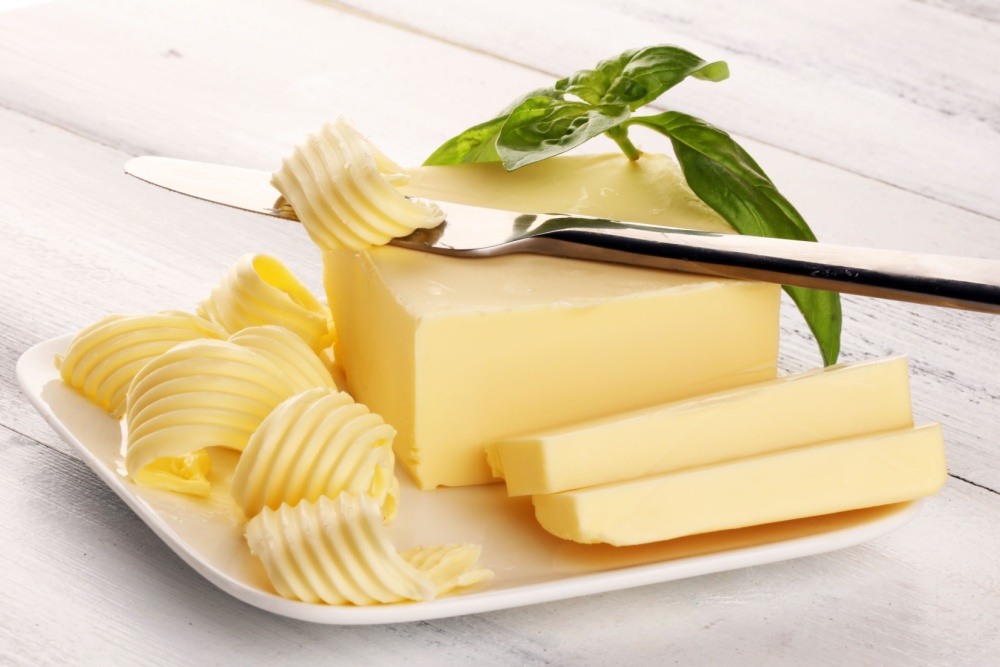
Butter is a food with a long history, dating back thousands of years. It’s a product of dairy farming and a simple process of separating fat from milk or cream.
- Where it Comes From: Butter suppliers create butter from milk or cream, usually from cows, but sometimes from other mammals like sheep or goats.
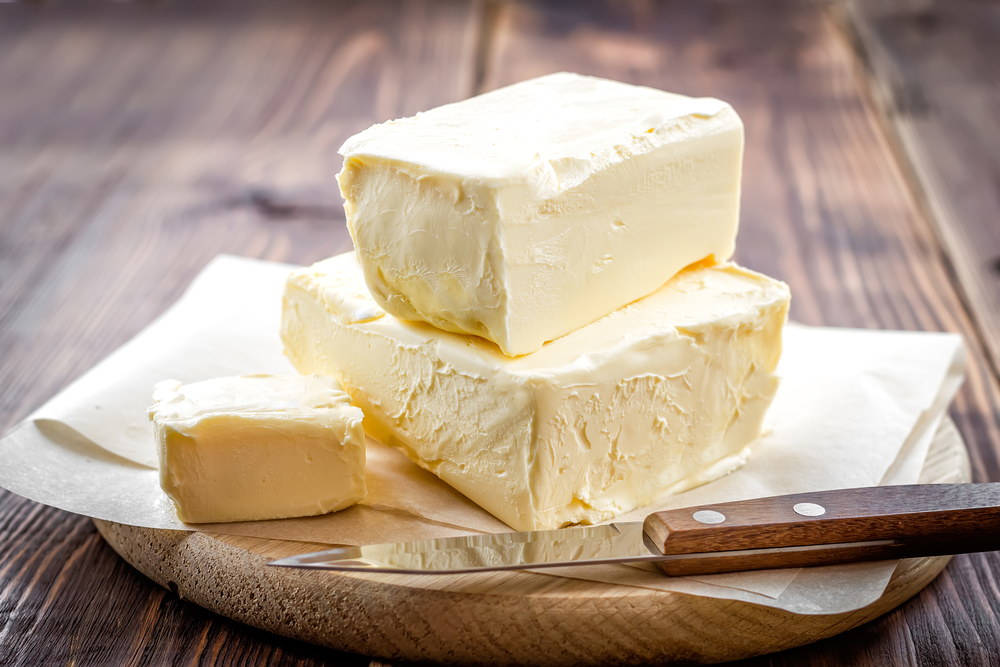
- What’s Inside: At its heart, butter is primarily milk fat, typically around 80% or more, with the rest being mostly water and some milk solids (like proteins and sugars). Making butter involves churning cream, breaking down the fat globules and allowing the fat to separate from the liquid buttermilk. The resulting mass is then worked to remove excess liquid and form the solid butter we know.
- Texture and Flavor: When chilled, butter is solid and firm, though it softens nicely at room temperature, becoming easily spreadable. Flavor is one of the defining characteristics and benefits of butter: rich, creamy, and slightly sweet with a distinct dairy taste. The exact flavor can vary depending on the type of milk used, the cow’s diet, and whether the cream was cultured (fermented) before churning, which gives cultured butter a tangier, more complex flavor.
- Nutritional Qualities: Butter contains milk fat, which includes saturated fat and cholesterol. It also naturally provides certain fat-soluble vitamins, including Vitamin A, Vitamin D, and Vitamin E.
Margarine
Margarine is a much newer invention versus butter. It was developed in France in the mid-19th century in response to a challenge to create a butter substitute from more readily available animal fats, though today it can also be made from vegetable oils.
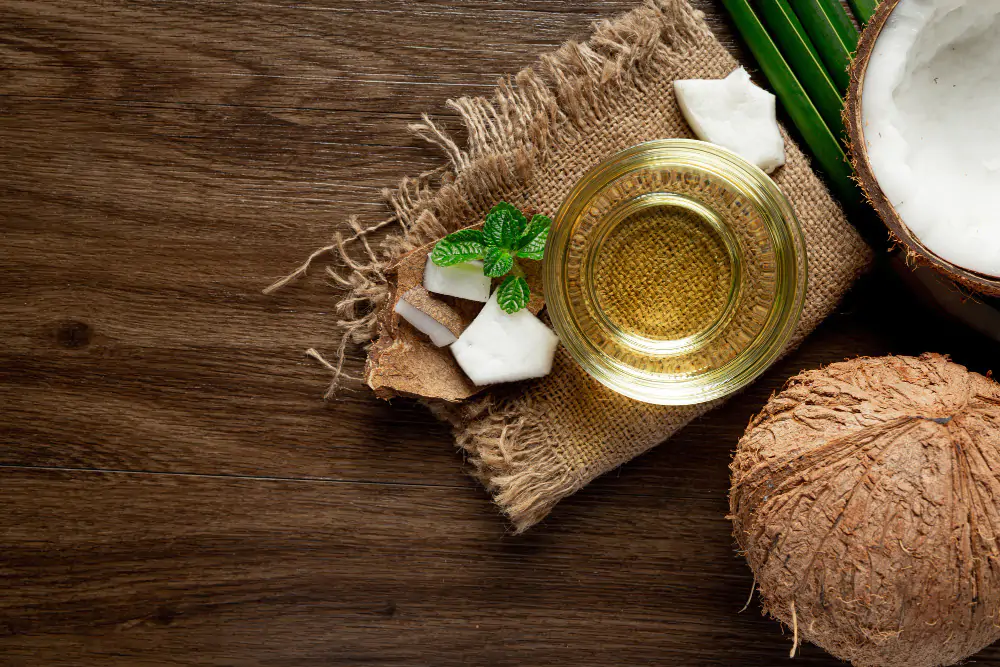
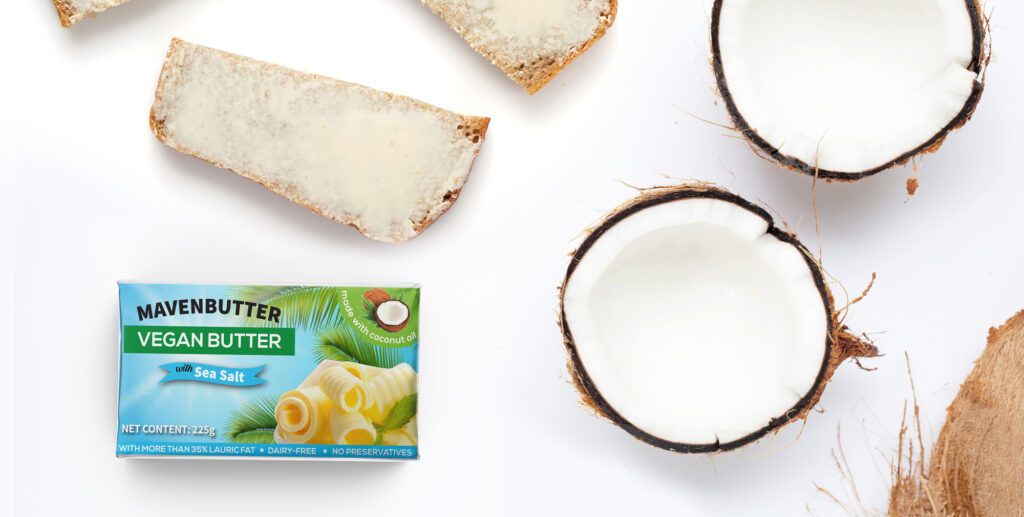
- Where it Comes From: Modern margarine suppliers create margarine primarily from plant-based oils. Common sources include coconut oil, soybean oil, canola oil, palm oil, corn oil, and sunflower oil.
- What’s Inside: Since plant oils are liquid at room temperature, they need to be made solid or semi-solid to create a spreadable product similar to butter. This is usually done through processes that change the structure of the oil molecules. After this transformation, the oils are blended with water, salt, and sometimes other ingredients like emulsifiers (to help the oil and water mix smoothly), colorings, and added vitamins, resulting in the final margarine spread you find in the grocery store.
- Texture and Flavor: Margarine’s texture can vary quite a bit depending on its formulation. Tubs of spreadable margarine are often softer and more spreadable straight from the refrigerator than margarine sticks, which are formulated to be firmer, more like butter for baking. The flavor of margarine is generally milder or more neutral compared to the distinct dairy flavor of butter. Different brands and types might have slightly different tastes based on the blend of oils and other ingredients used.
- Nutritional Qualities: Margarine is primarily composed of fats from plant oils. These fats are largely unsaturated fats. Depending on the processing method, margarine can contain trans fats. However, many modern manufacturers have significantly reduced or eliminated trans fats through updated techniques, due to recent food regulations.
Is margarine healthy? Many margarines have vitamins A and D added, and sometimes Vitamin E, so margarine does have some nutritional value.
What Are the Differences Between Butter and Margarine?
While both are used as spreads and for cooking, the fundamental differences between margarine vs butter lead to distinct characteristics:
- Source: The most obvious difference is their origin. Butter comes from animal fat (dairy), while margarine often comes from plant oils.
- Main Fat Type: Butter is predominantly saturated fat. Margarine, depending on the oils used and processing, is primarily unsaturated fat (polyunsaturated and monounsaturated), although it can still contain some saturated fat.
- Composition: Butter has a relatively simple composition—mainly fat, water, and milk solids from cream. Margarine is a more processed product, combining oils that have been texturized with water, salt, emulsifiers, and often colorings and added vitamins.
- Flavor Profile: Butter has a rich, unique dairy flavor that contributes significantly to the taste of dishes. Margarine generally has a more neutral or milder flavor, which can be an advantage when you don’t want the spread to strongly influence the taste of the other ingredients.
- Vitamins: Butter naturally contains fat-soluble vitamins. Margarine often has vitamins added (fortified) to match or exceed the vitamin content of butter.
Culinary Uses of Butter vs Margarine
Both butter and margarine are incredibly versatile in the kitchen, used for everything from spreading on toast to complex baking. Their differences in composition and texture mean they perform slightly differently in certain applications, and choosing one might depend on the desired outcome.
Butter’s distinct flavor makes it a top choice when you want a rich, creamy dairy taste to come through. It’s often preferred for spreading on bread, rolls, or muffins. For chefs and food businesses looking for consistent, high-quality butter, working with a reliable butter supplier in the Philippines can ensure great results every time.
In baking, the benefits of butter are crucial for creating flaky pastries, tender cakes, and crisp cookies because of how its fat melts and interacts with other ingredients. It’s also excellent for sautéing vegetables or proteins, where its browning can add depth of flavor (like making a brown butter sauce).
On the other hand, margarine is convenient for spreading directly from the refrigerator. Its more neutral flavor can be preferable in some dishes where you don’t want a strong butter taste. Margarine sticks for baking are designed to perform similarly to butter in recipes, often producing tender results, though the flavor and texture might differ slightly from using butter.
Some margarines have a higher smoke point than butter, making them suitable for sautéing at higher temperatures without burning the milk solids (which are present in butter but not in pure margarine). Partnering with an experienced margarine supplier in the Philippines can also help ensure you’re getting the benefits of margarine that align with your nutritional needs and cooking goals.
Deciding whether to use butter or margarine often boils down to a few personal considerations:
- Taste: Which flavor do you prefer? Butter’s rich dairy taste or margarine’s more neutral profile?
- What You’re Making: Is the flavor or specific melting property crucial for your recipe (like in certain baked goods)? Or do you just need a spreadable fat?
- Dietary Needs or Preferences: Are you avoiding dairy? Are you focusing on increasing unsaturated fats?
- Spreadability: Do you need something soft and ready to spread straight from the fridge?
It’s also worth considering the quality of the products available. For butter, this might mean looking at factors like whether it’s grass-fed or cultured. For margarine, it means checking the ingredients list and nutritional information to understand the types of oils used.
Finding Their Place in a Balanced Diet
Which is healthier, butter or margarine? For most people, enjoying either butter or margarine in moderation as part of a balanced diet is perfectly fine. Moderation is key because, regardless of the type of fat, both are high in calories. Choosing which one to use can come down to personal preference, how you plan to use it, and sometimes specific dietary needs or goals (for example, someone following a vegan diet would choose margarine, or someone advised to strictly limit saturated fat might lean towards a margarine low in saturated and free of trans fats).
Making Your Choice: It Comes Down to Needs and Preferences
In the end, both butter and margarine are useful and popular fats for the kitchen. They have different backgrounds and compositions, offering unique textures, flavors, and nutritional profiles. By understanding margarine vs butter, what they are, and how they differ, you can confidently choose the right one for your cooking or spreading needs, knowing that moderation is the most important ingredient for a balanced and enjoyable way of eating.
As a food ingredients supplier, Oleo-Fats supports chefs, food businesses, and everyday cooks in making smart, flavorful choices. With better ingredients and a thoughtful approach to food, you can enjoy what you eat—and feel good about it, too. Discover how quality ingredients from Oleo-Fats can help you achieve delicious results!