
Articles Archives

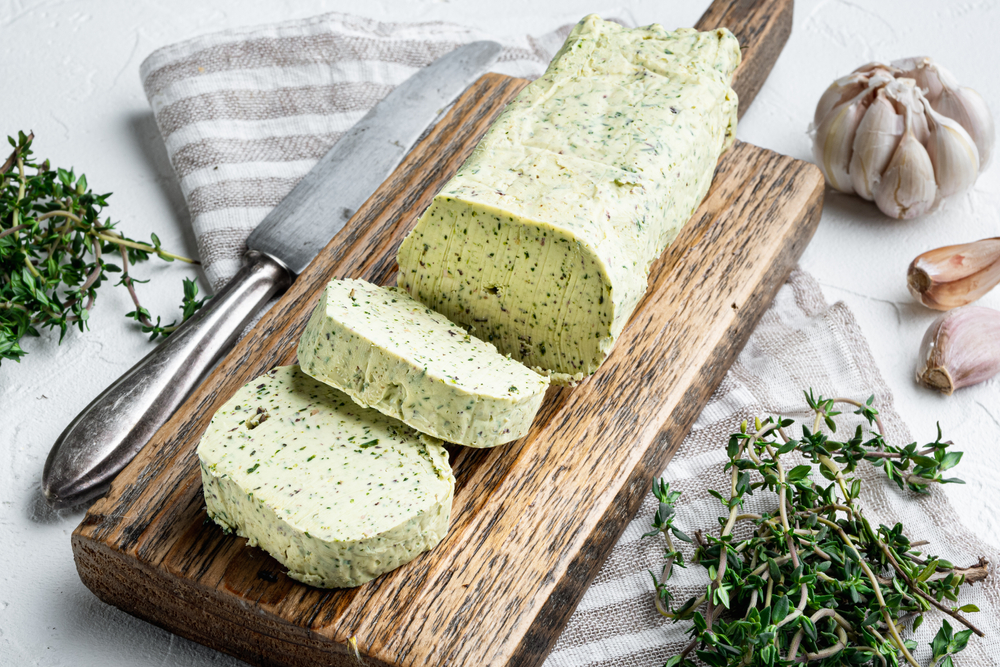
a block of compound butter

The Benefits of Using Compound Butter in Restaurants

In professional kitchens, every ingredient and technique needs to be just right. Chefs and restaurant owners are constantly looking for ways to deliver delicious results reliably and efficiently. One ingredient that fits this bill perfectly for restaurants is compound butter. While it might sound simple, compound butter is a powerhouse of flavor and a surprisingly

The Benefits of Using Compound Butter in Restaurants Read More »

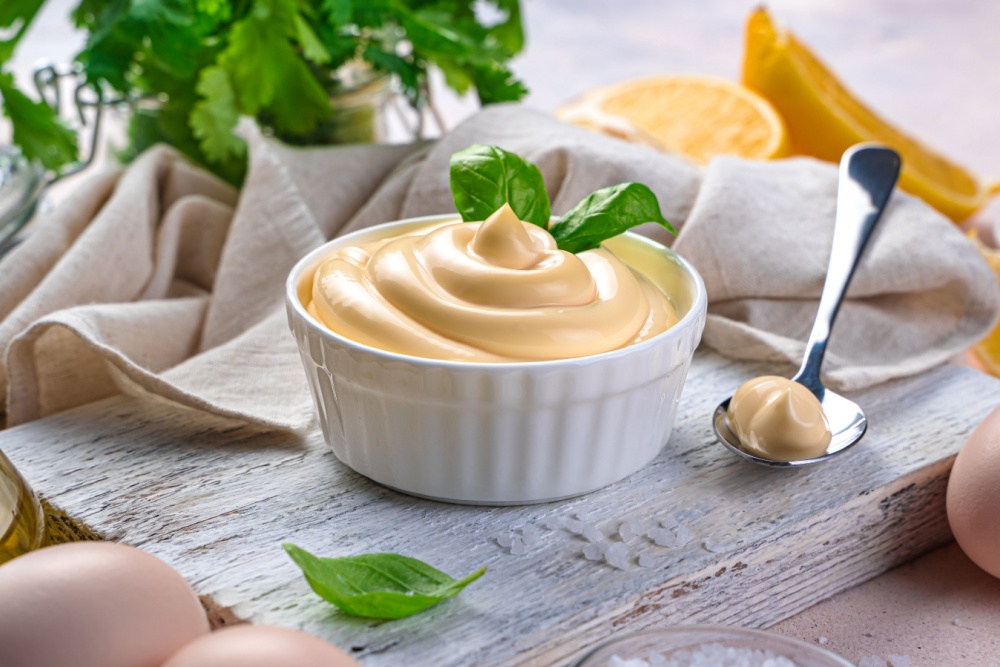
mayonnaise on a ramekin

All-Purpose Dressing vs Mayonnaise: What Makes Them Different?

For something so often found in our refrigerators and on our tables, knowing the difference between mayonnaise and all-purpose dressing can sometimes feel a bit confusing. At first glance, they may seem interchangeable—creamy, tangy, and perfect for adding flavor—but each brings character and culinary potential. This guide takes a closer look at the mayonnaise vs

All-Purpose Dressing vs Mayonnaise: What Makes Them Different? Read More »

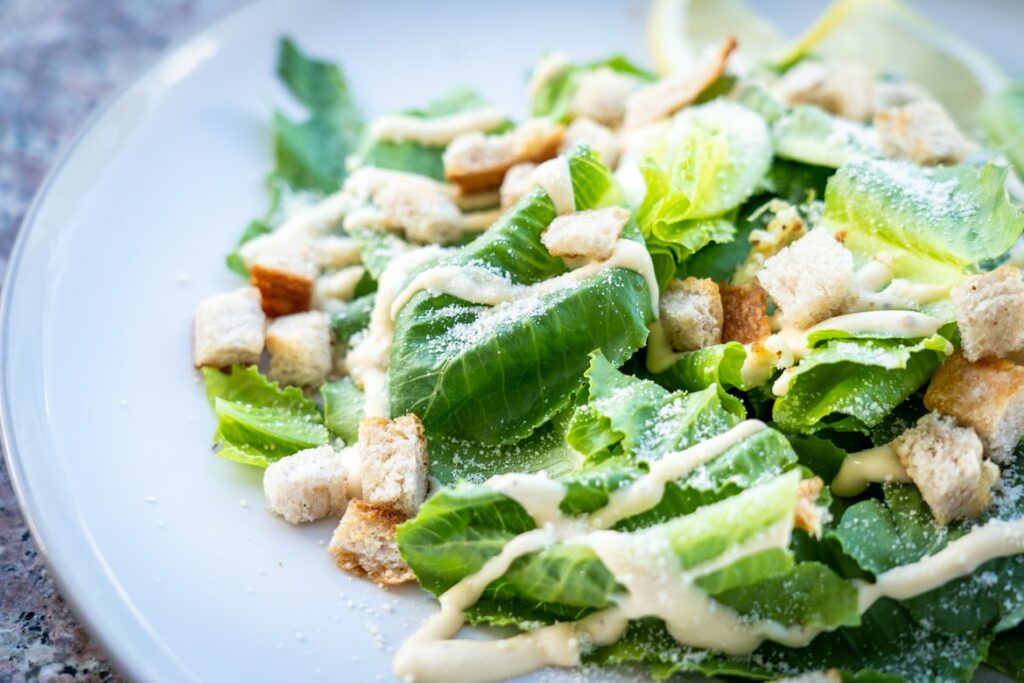
a salad with dressing

Get to Know the Kinds of Salad Dressings and When to Use Them

With salad dressing, a simple mix of vegetables becomes something crave-worthy. The right type of salad dressing makes all the difference by tying the ingredients together, adding moisture, and turning something basic into something memorable. For anyone who enjoys cooking or simply eating well, learning the different salad dressings opens up a world of possibilities.

Get to Know the Kinds of Salad Dressings and When to Use Them Read More »

woman pouring cooking oil

How Do You Throw Away Used Cooking Oil? Here Are the Do’s and Don’ts

Cooking oil is a kitchen essential, but what happens to it after use? Simply pouring oil down the drain can clog pipes, damage sewage systems, and pollute waterways, leading to costly repairs and environmental harm. Fortunately, there are responsible ways to handle cooking oil disposal, recycling, and even reusing, ensuring that your kitchen waste doesn’t

How Do You Throw Away Used Cooking Oil? Here Are the Do’s and Don’ts Read More »

blueberry muffins in a wood board

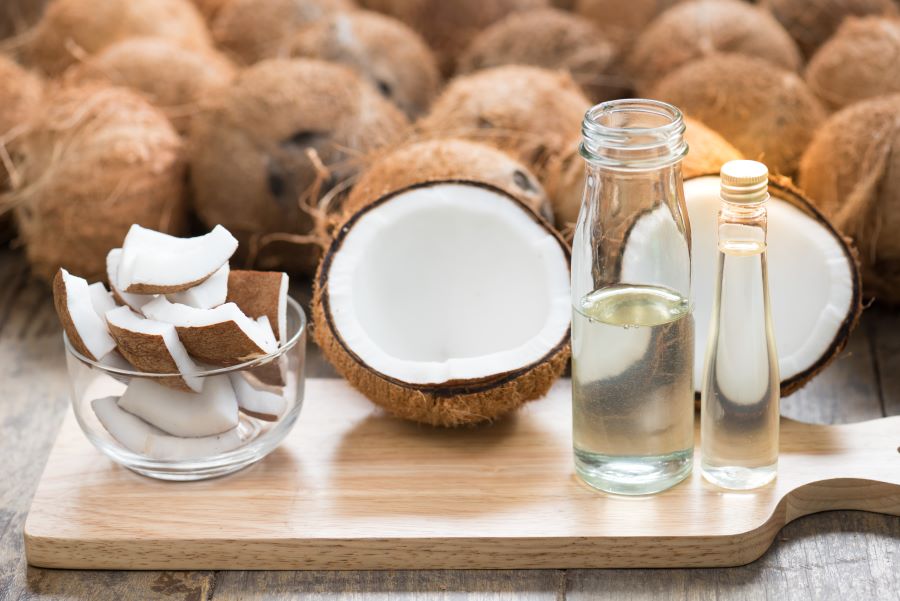
Coconut Oil for Baking: What You Should Know

Over the years, more bakeries and manufacturers have discovered the advantages of using coconut oil for baking. From small neighborhood bakeries to large-scale factories, coconut oil has been a staple ingredient. In particular, coconut cooking oil spray is gaining traction because it simplifies processes, reduces waste, and ensures consistent product quality. This blog explores the

Coconut Oil for Baking: What You Should Know Read More »

a woman selling pastries to a customer

Starting a Bakery Business? Make Sure to Sell These Baked Goods

Are you starting a bakery business? Success often depends on two things: offering a selection of baked goods that customers crave and using quality ingredients that keep them coming back. While trends change, some classics never lose their appeal. These baked goods cater to different tastes and preferences, so you can count on consistent sales

Starting a Bakery Business? Make Sure to Sell These Baked Goods Read More »

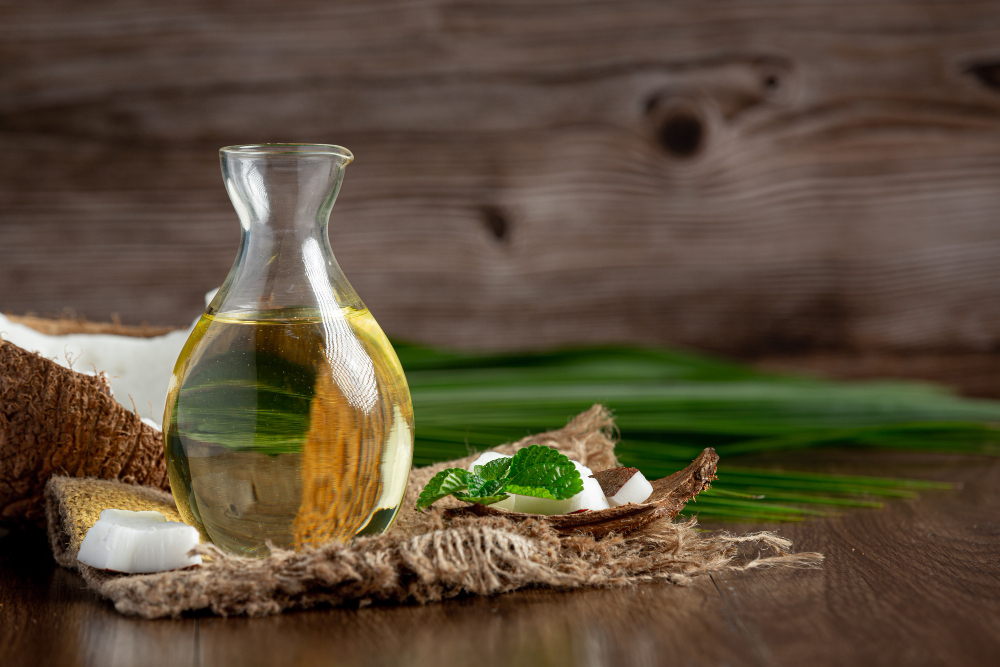
coconut cooking oil in a pan

Why Coconut Cooking Oil Spray Is Gaining Ground in Professional Kitchens

Coconut oil has long been a staple in homes. But in recent years, it has taken on a new form that is changing the way food professionals cook and produce at scale: coconut oil spray. The adoption of coconut oil spray or coconut cooking spray is steadily rising, from busy commercial kitchens to large-scale food

Why Coconut Cooking Oil Spray Is Gaining Ground in Professional Kitchens Read More »

food professional handing a sealed food container

How to Avoid Cross-Contamination: 10 Tips for Food Professionals

In the food industry, food safety is non-negotiable. Whether you’re managing a restaurant, catering business, or large-scale food production, preventing cross-contamination in food is critical to safeguarding your customers, your reputation, and your bottom line. Cross-contamination is one of the leading causes of foodborne illnesses and allergen-related reactions. But here’s the good news: with the

How to Avoid Cross-Contamination: 10 Tips for Food Professionals Read More »

Scroll to Top