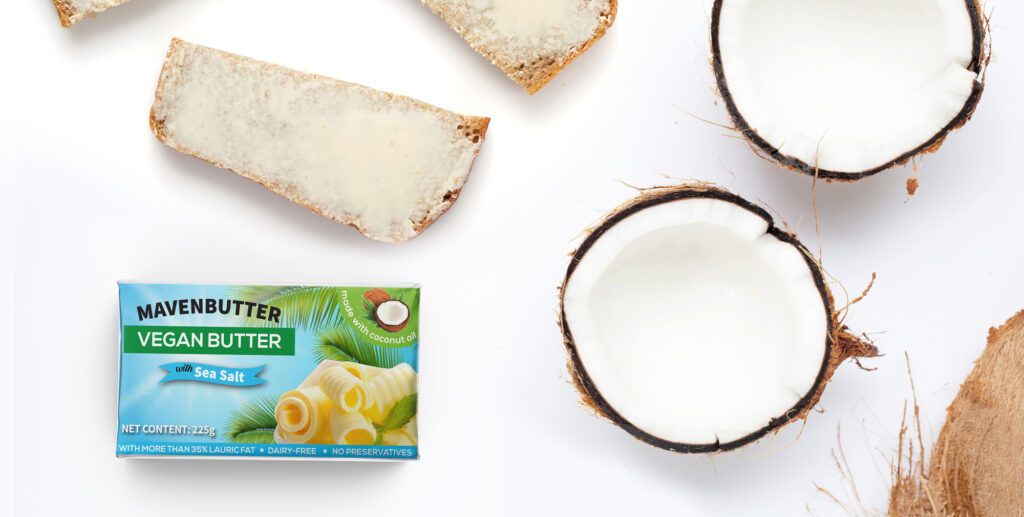

For food manufacturers entering or expanding in the U.S. market, choosing the right coconut oil is more than a sourcing decision. It directly impacts product quality, nutrition claims, shelf life, and overall brand positioning.
With the continued demand for better-for-you snacks, coconut oil has become a go-to food ingredient across categories such as energy bars, baked goods, and confectionery.
But not all coconut oils are created equal. Choosing the right type requires a clear look at processing methods, functional performance, and supply chain reliability.
This guide breaks down tips on how to choose a coconut oil and what procurement teams need to consider when selecting health-oriented snack products.
Why Coconut Oil Remains a Preferred Ingredient
Coconut oil continues to gain traction in the U.S. due to its clean label appeal and functional versatility. It is naturally free from trans fats, offers a stable fat profile, and performs well across a range of applications.
For manufacturers aligned with evolving consumer demand for healthier and plant-based ingredients, coconut oil supports claims such as plant-based, non-GMO, and minimally processed. It also contributes to desirable texture, mouthfeel, and flavor, especially in products that aim to replace traditional fats.
However, choosing the best coconut oil depends on how these benefits align with your product goals.
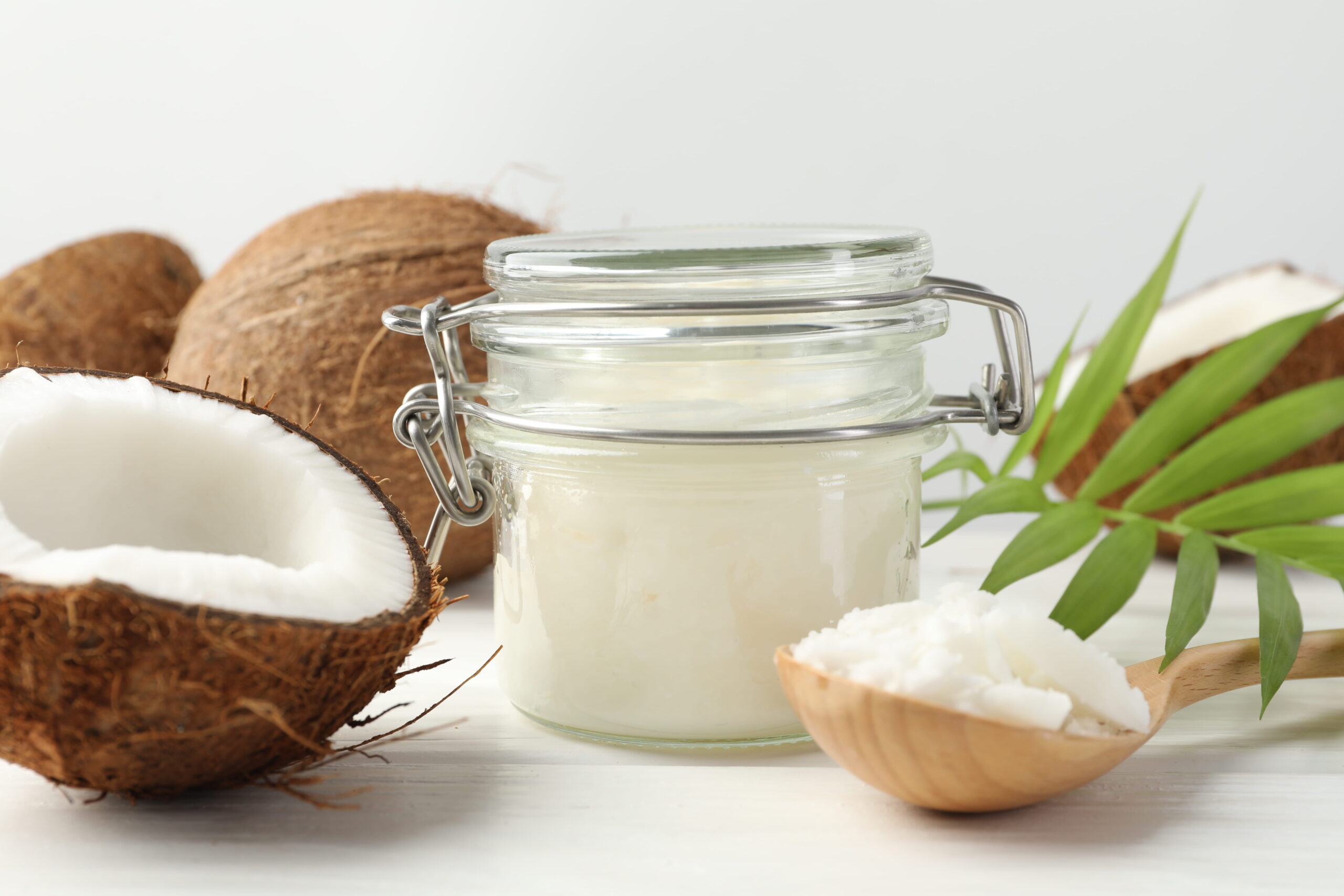
Factors to Consider When Choosing Coconut Oil
Selecting the right coconut oil goes beyond understanding its types. Procurement teams must evaluate how each option performs in real-world production, aligns with product goals, and supports long-term scalability.
Match the Oil to Your Product Application
Understanding how to choose the best coconut oil also means aligning the oil type with your product’s technical requirements.
Snack production often involves baking, frying, or extrusion. Coconut oil’s saturated fat profile gives it strong oxidative stability, making it ideal for high-heat processes.
- RBD coconut oil is best suited for high-temperature applications
- Virgin coconut oil works better in low-heat or no-heat formulations
Choosing the wrong type can lead to flavor degradation or reduced shelf life, especially in large-scale production.
Evaluate Texture and Mouthfeel
Coconut oil contributes to structure and texture, particularly in snacks like bars and biscuits.
For example, as a binding agent, it helps hold ingredients together in energy bars while delivering a smooth, creamy bite. The melting point of coconut oil also affects how the product feels at room temperature versus in the mouth.
Consider Flavor Impact
Flavor neutrality or enhancement is another key factor when choosing the right coconut oil.
- Use RBD for products where flavor consistency is critical
- Use virgin coconut oil when a subtle coconut note enhances the product
This decision often ties directly to brand positioning in the U.S. market.
Review Nutrition and Labeling Requirements
Health-oriented snack products often rely on clear and credible nutrition claims, especially as healthy snacking trends continue to shape consumer expectations.
Coconut oil can support several of these, but the type you choose matters.
For example, virgin coconut oil aligns well with clean label demands due to its minimal processing. However, RBD coconut oil can still meet clean label expectations if sourced responsibly and processed to high standards.

Trans Fat-Free Formulation
Coconut oil is naturally free from trans fats, making it a preferred alternative to partially hydrogenated oils.
Allergen and Dietary Claims
Coconut oil supports:
- Dairy-free formulations
- Vegan and plant-based positioning
- Gluten-free labeling
Understanding these factors is essential for U.S. compliance and consumer expectations.
Assess Shelf Life and Storage Performance
Shelf life is a critical consideration for snack manufacturers, especially those exporting to the U.S.
RBD coconut oil typically offers:
- Longer shelf life due to refining
- Better resistance to oxidation
- Stable performance in varying storage conditions
Virgin coconut oil, while less processed, may require stricter storage controls to maintain quality.
When choosing a coconut oil, procurement teams should assess:
- Product shelf life targets
- Distribution timelines
- Packaging requirements
Ensure Supply Reliability and Scalability
Beyond product performance, supply chain stability is a major factor in selecting the best coconut oil.
For U.S.-bound products, manufacturers need:
- Consistent quality across shipments
- Reliable volume supply
- Export-ready documentation and compliance
Working with a trusted coconut oil exporter ensures smoother logistics and fewer disruptions.
Practical Tips for Choosing Coconut Oil
To make a more informed decision, keep these practical tips in mind when selecting a cooking oil:
- Start with your product goal. Define which priority you prioritize: functionality, flavor, nutrition claims, or cost efficiency.
- Test in real conditions. Always validate performance through pilot runs, especially for heat-intensive processes.
- Align with your brand positioning. Your oil choice should support your product’s market story—whether it’s clean label, premium, or mass-market.
- Think long-term. Consider how the oil will perform across storage, transport, and shelf life—not just during production.
- Choose the right supplier. Look for partners who can guarantee consistency, provide technical support, and scale with your growth.
Why Choose Oleo-Fats as a Strategic Coconut Oil Exporter
For manufacturers looking to scale in the U.S. market, Oleo-Fats Inc. offers more than just raw materials. It provides a comprehensive solution tailored to B2B needs.
1. Reliable Supply Chain
Oleo-Fats ensures the consistent availability of coconut oil, even for large-volume orders. This is critical for manufacturers managing long production runs and strict delivery schedules.
2. Custom Blends and Solutions
Different snack applications require different fat profiles. Oleo-Fats offers customized coconut oil blends designed to meet specific functional and nutritional requirements.
Whether you are producing baked snacks, dairy alternatives, or energy bars, our team can help you choose the right coconut oil for your formulation.
3. Export-Ready for the U.S. Market
Oleo-Fats supports U.S. buyers with:
- Compliance with international food safety standards
- Certifications such as HACCP, ISO, Halal, and Kosher
- Documentation for seamless importation
This export readiness reduces risk and simplifies procurement.
4. Application Expertise
Beyond supply, Oleo-Fats provides technical support to help manufacturers optimize formulations. This includes guidance on selecting the right oil type based on heat stability, texture, and shelf life.
Formulate Smarter Snack Products With the Right Coconut Oil
Choosing coconut oil is not just about selecting an ingredient. It is about aligning functionality, nutrition, and supply chain reliability with your product goals.
When selecting the right coconut oil for health-oriented snack products in the U.S., partnering with a reliable supplier makes all the difference.
Oleo-Fats is ready to support your business with high-quality coconut oil solutions tailored to your needs. From specialty fats and oils to customized formulations for large-scale production, our team delivers both consistency and innovation.
Explore our full range of coconut oil products and discover how the right partner can upgrade your next product line. Reach out to us today.