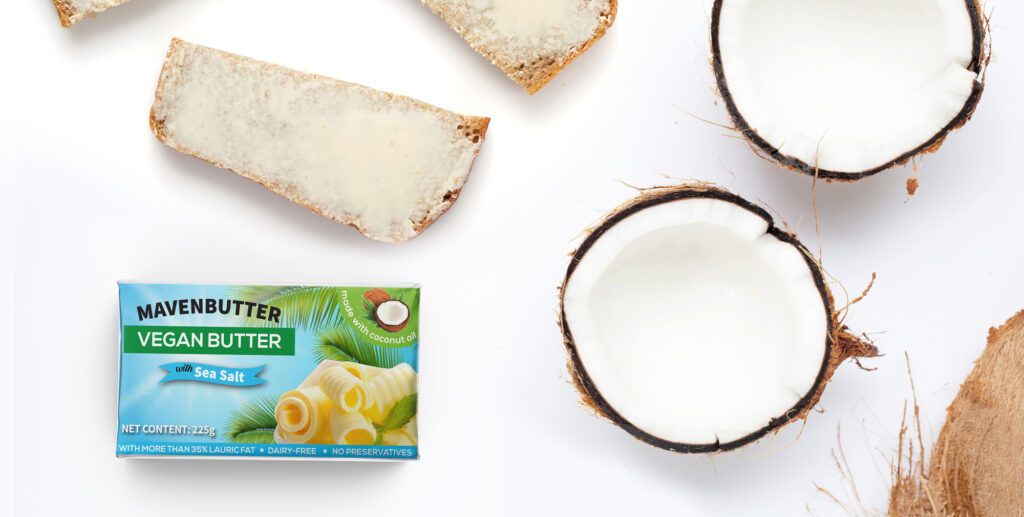

As consumer demand for better-for-you snacks continues to rise, manufacturers are rethinking their energy and granola bar ingredient formulation strategies.
Today’s shoppers are looking for products that deliver on taste, texture, and nutrition while also aligning with clean-label expectations, reflecting broader healthy snacking trends in the U.S. snack market.
This shift has brought functional fats like coconut oil into sharper focus. Among the many options available, coconut oil stands out as a versatile and reliable ingredient. From improving binding to extending shelf life, it plays a critical role in modern snack production.
For manufacturers of granola, protein bars, and other snack formats, understanding how to use coconut oil effectively can unlock both product quality and commercial value.
Let’s explore why coconut oil remains a practical ingredient for improving granola and energy bar formulations.
Why Coconut Oil Works in Snack Formulations
Coconut oil is more than just a trending ingredient. It is a highly functional fat that performs under various processing conditions, making it an ideal ingredient for granola and energy bars.
Coconut oil is rich in medium-chain triglycerides (MCTs), which are known for their stability and quick energy release. MCTs are metabolized differently from long-chain fats, offering faster energy conversion and improved digestibility.
From a formulation standpoint, coconut oil offers several advantages:
- Semi-solid consistency at room temperature
- Clean flavor profile with mild coconut notes
- High oxidative stability compared to many vegetable oils
- Compatibility with plant-based and dairy-free products
These characteristics make coconut oil a dependable food ingredient for manufacturers aiming to balance performance with consumer appeal.
Enhancing Binding and Structural Integrity
One of the biggest challenges in producing granola and energy bars is achieving the right texture. Bars must hold together without becoming too hard or too crumbly.
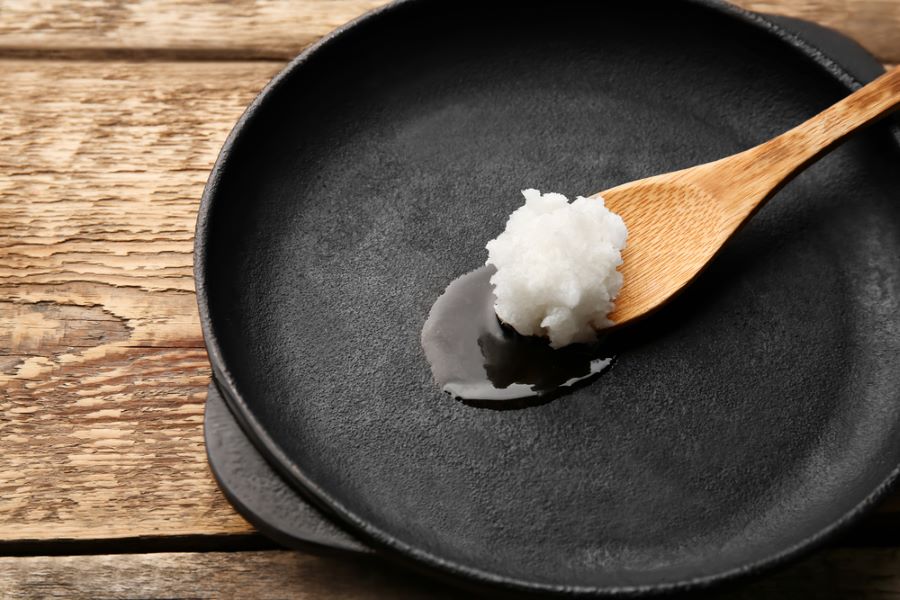
Using coconut oil in protein bars is crucial for binding. When combined with syrups or other binders, it helps create a cohesive matrix that keeps ingredients like oats, nuts, seeds, and dried fruits intact.
Protein powders can disrupt texture, often leading to dryness or crumbling. Coconut oil helps counteract this by:
- Improving cohesion between dry ingredients
- Providing a smooth, uniform texture
- Reducing brittleness during storage
This functional benefit is especially useful for manufacturers working with dense or highly fortified recipes. By helping stabilize the bar’s structure, coconut oil can support more consistent production results and improve the final bite and overall product quality.
Improving Mouthfeel and Sensory Appeal
Mouthfeel plays a huge role in consumer satisfaction, especially in indulgent yet healthy snacks.
Coconut oil contributes a pleasant, creamy mouthfeel that enhances the overall eating experience. It melts just below body temperature, creating a smooth, slightly rich sensation without being greasy.
For manufacturers, this translates to:
- Better palatability in high-protein formulations
- Enhanced perception of freshness
- A more premium eating experience without added complexity
This is particularly valuable in energy bar formulations, where balancing nutrition and indulgence is often a challenge.
Supporting Shelf Life and Product Stability
Shelf life is a critical factor in commercial snack production. Products must remain stable during transportation, storage, and retail display.
Coconut oil offers natural oxidative stability due to its high saturated fat content. Unlike polyunsaturated oils, it is less prone to rancidity, which helps maintain flavor and quality over time. Its composition makes it more resistant to oxidation compared to many other edible oils.
For manufacturers, this means:
- Longer shelf life without synthetic preservatives
- Consistent flavor retention
- Reduced risk of off-notes
These benefits align well with clean-label requirements, where minimizing additives is a priority.
Enabling Clean-Label and Plant-Based Formulations
The rise of plant-based and clean-label products has reshaped how manufacturers approach ingredient selection.
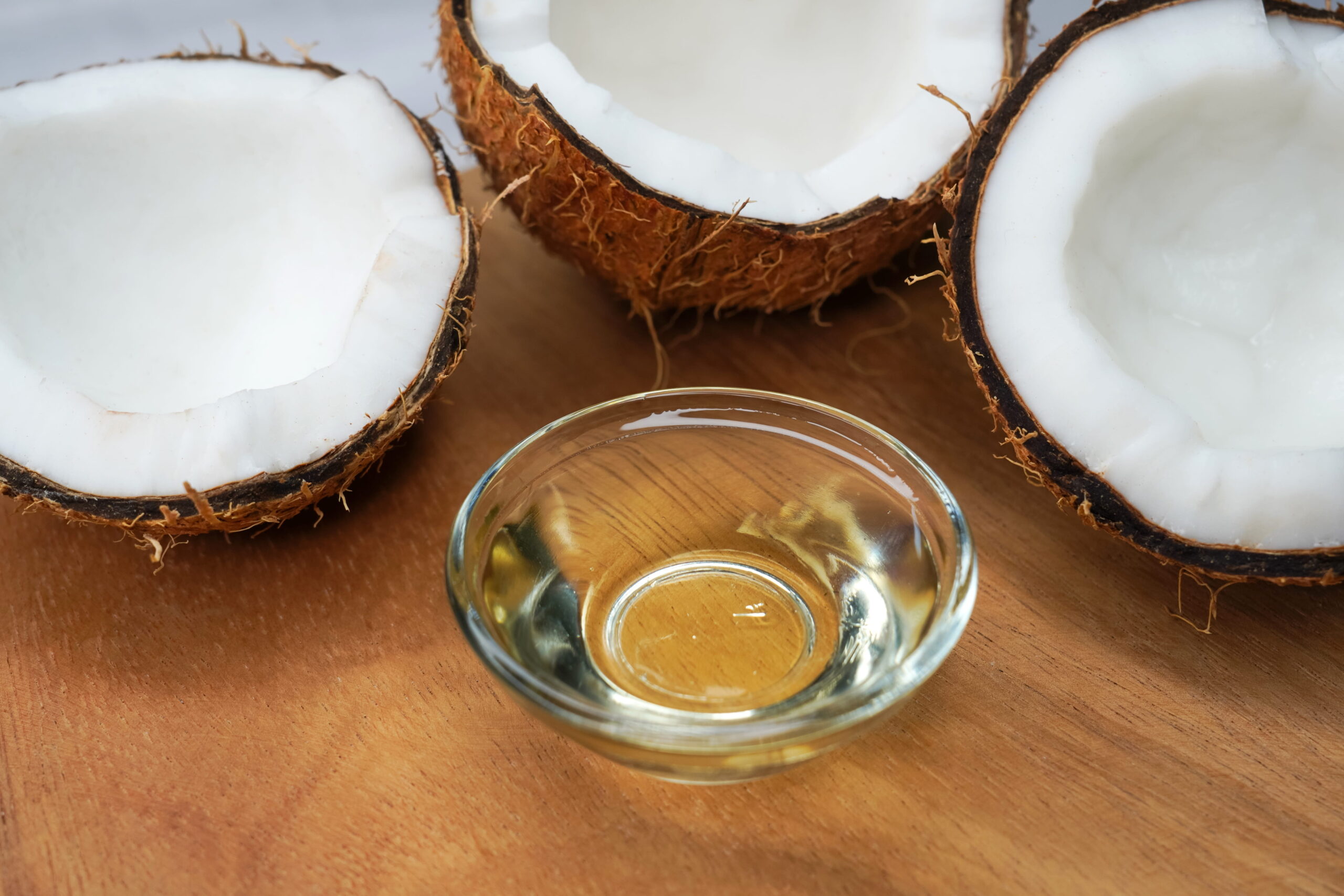
Coconut oil fits naturally into this trend. It is plant-derived, minimally processed (especially in refined, bleached, and deodorized forms), and widely accepted by consumers.
For energy bars, this translates into:
- Dairy-free fat systems
- Vegan-friendly formulations
- Simplified ingredient lists
Additionally, coconut oil can replace hydrogenated fats, helping manufacturers avoid trans fats while maintaining product performance.
Flavor Versatility Across Product Types
Flavor flexibility is another reason coconut oil is widely used in snack manufacturing.
Refined coconut oil provides a neutral taste, making it suitable for a wide range of flavor profiles, from chocolate and peanut butter to fruit-based bars. At the same time, lightly processed variants can add subtle coconut notes for tropical or indulgent products.
This versatility allows manufacturers to experiment with different energy bar ingredients without compromising flavor balance.
Processing Advantages in Manufacturing
From a production perspective, coconut oil is easy to work with. Its melting and solidification behavior make it suitable for various processes, including mixing, coating, and extrusion.
Key processing benefits include:
- Consistent performance across temperature ranges
- Ease of incorporation into dry and wet blends
- Compatibility with automated production lines
These advantages help improve efficiency while maintaining product quality, especially in large-scale operations.
Commercial Applications Across Snack Categories
Coconut oil as a food ingredient is not limited to traditional granola bars. Its functionality extends across multiple snack formats, including:
- Protein bars and meal replacement bars
- Baked snack bars and biscuits
- Nut clusters and granola mixes
- Confectionery-style snack bars
This ingredient adapts well to both baked and no-bake applications, giving manufacturers flexibility in product development.

Customization for Modern Snack Innovation
As the snack category evolves, customization is becoming increasingly important. Manufacturers are looking for ingredient solutions that can adapt to new formats, nutritional targets, and consumer preferences.
Coconut oil can be blended or modified to achieve specific functional outcomes, such as:
- Adjusted melting profiles for different climates
- Enhanced compatibility with protein systems
- Improved stability in high-moisture formulations
Oleo-Fats, a trusted coconut oil exporter, supports this level of customization, helping manufacturers stay competitive in a fast-changing market.
Discover Premium Coconut Oil Solutions with Oleo-Fats
Coconut oil has proven itself as a highly functional and versatile ingredient in granola and energy bar production. From improving texture to supporting plant-based formulations, it addresses many of the challenges modern snack manufacturers face.
For brands developing snacks for health-conscious consumers, coconut oil offers real formulation value. Its versatility makes it a practical ingredient for a wide range of applications, from granola clusters to other on-the-go snacks.
If you are looking to optimize existing recipes or refine your snack products with reliable, high-quality fat systems, Oleo-Fats Inc. is ready to support your needs. From RBD coconut oil to customized blends, it delivers specialty fats, oils, and food ingredients designed for large-scale production.
Contact us today to source customized food ingredient solutions for healthy granola bars, protein bars, and snack products.