Mayonnaise may seem simple, but it is one of the most adaptable condiments in global cuisine. Discover the different types of mayonnaise around the world.
Key Takeaways
- Mayonnaise varies widely in flavor, texture, and oil content depending on regional preferences.
- Foodservice operators and manufacturers often adapt mayonnaise formulations to match local tastes and menu applications.
- Understanding the global types of mayonnaise helps businesses develop more versatile, market-ready products.
Mayonnaise has become a staple ingredient in kitchens around the world. Originally believed to have roots in European cuisine, this creamy emulsion has evolved into countless regional variations that reflect local ingredients, cultural tastes, and culinary traditions.
Today, mayonnaise appears in everything from burgers and sandwiches to salads, dips, marinades, and sauces. Its smooth texture and balanced flavor make it an essential component in many dishes.
Understanding the different types of mayonnaise is more than just a culinary curiosity. Foodservice operators and food manufacturers need this knowledge as a practical advantage to appeal to customers.
Let’s explore the mayo types found around the world.
The Anatomy of Mayonnaise
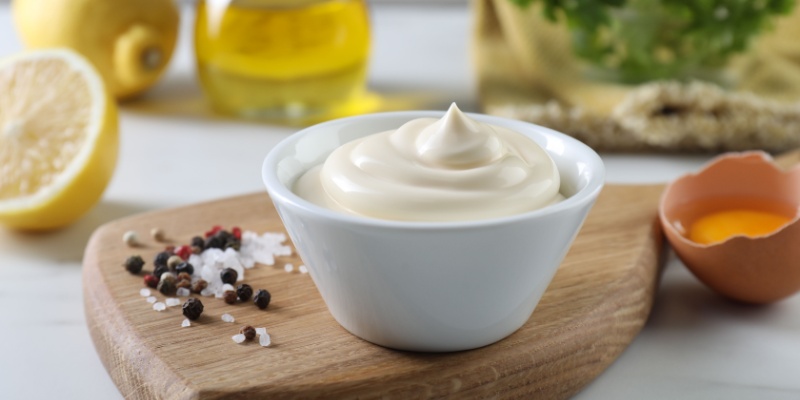
Mayonnaise is a simple yet delicate emulsion made by combining oil, egg yolks, and an acidic ingredient such as vinegar or lemon juice.
The process begins by slowly whisking oil into egg yolks while incorporating the acidic component. As the oil disperses into tiny droplets within the egg mixture, the emulsion forms. The result is a thick, creamy sauce with a smooth texture and rich mouthfeel.
The oil provides body and richness, while egg yolks act as an emulsifier that holds the mixture together. Acid adds brightness and balance, preventing the sauce from tasting too heavy.
Seasonings such as salt, mustard, or sugar may also be added depending on the desired flavor profile.
While the core ingredients remain consistent, variations in oil type, seasoning, acidity, and egg ratio create the many forms of mayonnaise enjoyed worldwide.

Types of Mayonnaise
Although mayonnaise shares a common base, it adapts remarkably well to various culinary traditions. Changes in oil content, sweetness, acidity, and seasoning create distinct regional styles.
So, what are the different types of mayonnaise? Here are some of the most well-known around the globe.
1. American-Style Mayonnaise
American mayonnaise is known for its thick, creamy consistency and slightly tangy flavor. It typically contains a high oil content and a balanced combination of vinegar, egg yolks, and mild seasonings.
The texture is smooth and spreadable, making it ideal for sandwiches, burgers, potato salads, and coleslaw.
In foodservice kitchens, this style of mayo serves as a versatile base for flavored sauces such as garlic mayo, chipotle mayo, and herb-infused spreads. Its neutral profile allows chefs to easily adapt it for various dishes.
2. Japanese Mayonnaise
Japanese mayonnaise has gained international popularity for its rich flavor and silky texture.
Unlike many Western versions, Japanese mayo is typically made with egg yolks rather than whole eggs, giving it a deeper golden color and a more luxurious mouthfeel.
Rice vinegar adds a mild sweetness and gentle acidity. The result is a mayonnaise that tastes slightly sweeter and more savory than American versions.
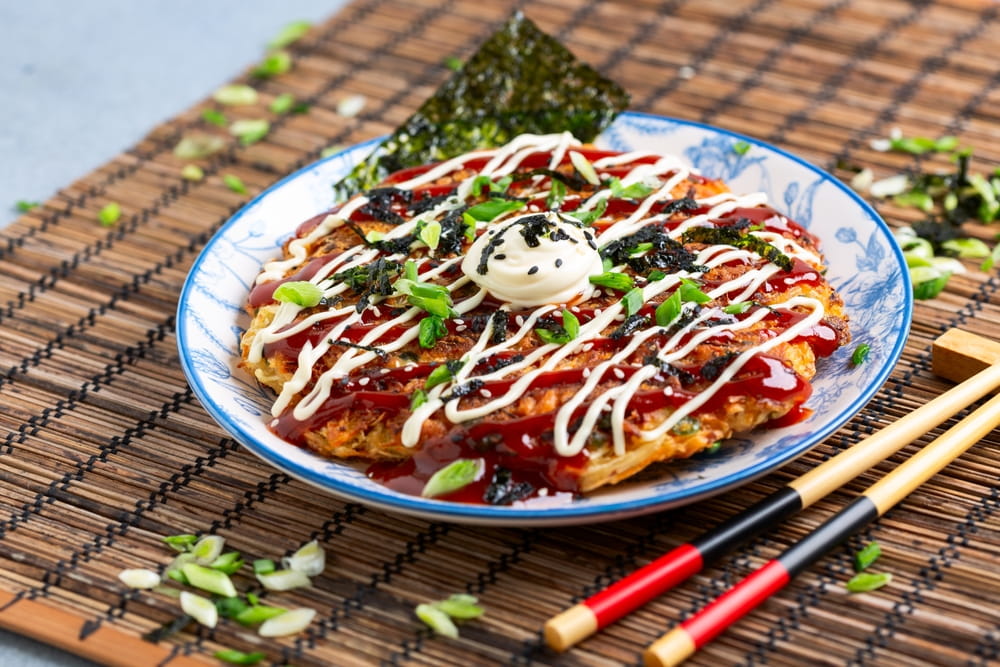
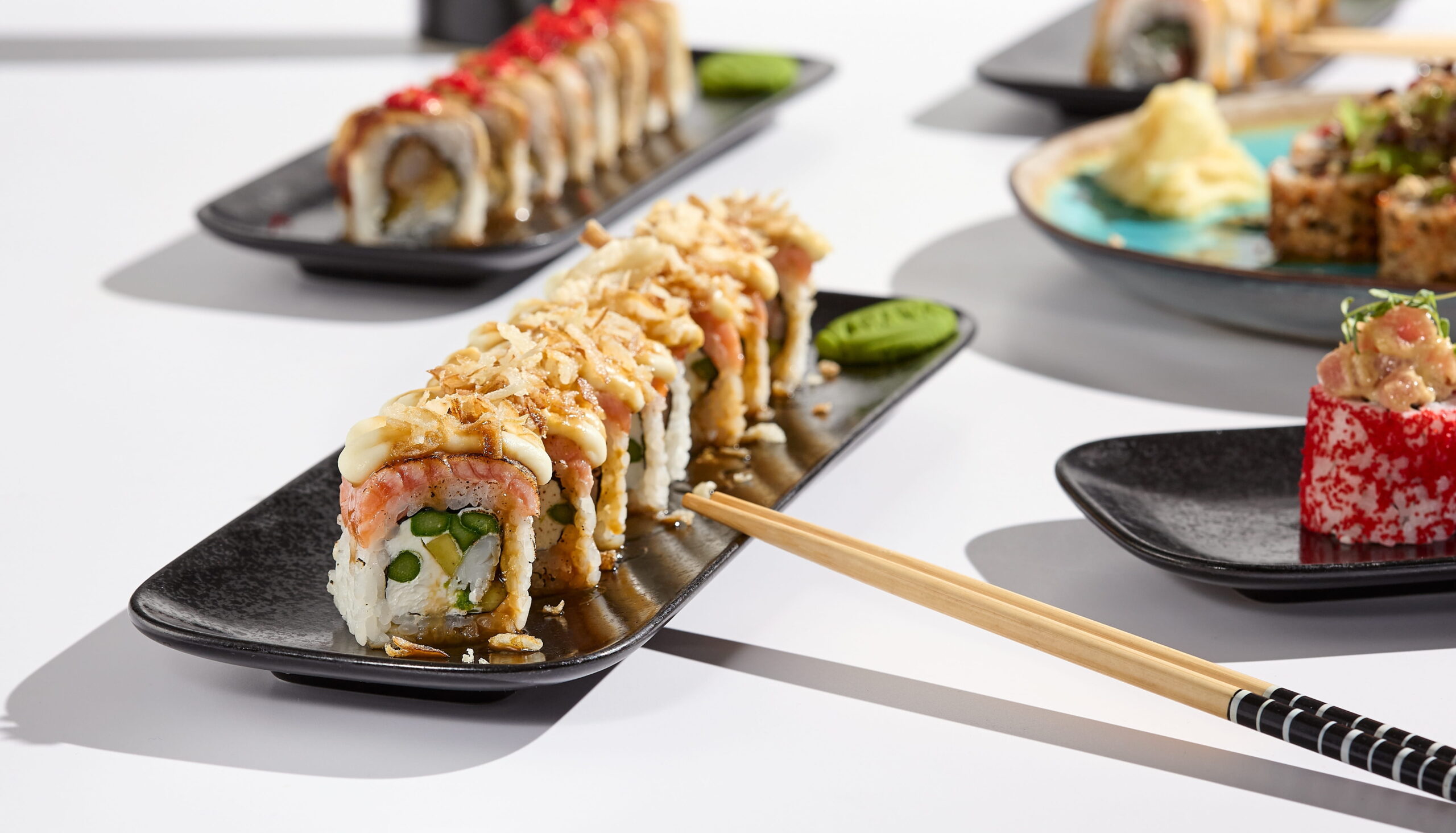
This style is commonly drizzled over sushi rolls, okonomiyaki, takoyaki, and Japanese-style salads.
3. European Vegan Mayonnaise
Vegan mayonnaise has become increasingly popular as consumers look for plant-based alternatives. These formulations rely on ingredients such as aquafaba, soy protein, or pea protein to create a stable emulsion.
The texture remains creamy and smooth, while the flavor stays balanced and slightly tangy.
This type of mayonnaise works well in sandwiches, wraps, salads, and dips while meeting dietary requirements for vegan and allergen-sensitive consumers.
4. Indian Spiced Mayonnaise
Indian mayonnaise often incorporates bold spices and aromatic ingredients that reflect the country’s vibrant cuisine.
These variations may include chili, garlic, cumin, mustard seeds, or curry spices. The result is a creamy condiment with a noticeable kick of heat and fragrance.
Indian spiced mayonnaise pairs well with street food items such as sandwiches, wraps, and fried snacks. The flavor profile is lively and layered, adding warmth and complexity to dishes.
5. Mediterranean Aioli-Style Mayonnaise
Aioli is often associated with Mediterranean cuisine, particularly in Spain and southern France.
Traditional aioli combines garlic, olive oil, and egg yolks to create a thick, fragrant sauce with a bold garlic aroma.
The flavor is robust and savory, with a silky texture that coats vegetables, seafood, and grilled meats beautifully.
Modern variations sometimes blend traditional mayonnaise with garlic and olive oil to achieve a similar flavor profile while maintaining consistent texture.
6. Low-Fat Mayonnaise
Health-conscious consumers have driven demand for reduced-fat mayonnaise formulations.
Low-fat mayonnaise uses modified ingredient ratios or additional stabilizers to maintain creaminess while reducing oil content.
The result is a lighter texture and milder mouthfeel compared to traditional mayonnaise.
This variation is widely used in institutional kitchens, school cafeterias, and health-focused foodservice menus.
7. Flavored and Specialty Mayonnaise
Flavored mayonnaise has become a major trend in both restaurants and packaged food products. These specialty formulations add depth and personality to dishes.
Pre-made flavored mayonnaise provides an easy way to introduce unique menu items without extensive preparation.
Here are some examples:
- Mango Chutney Mayonnaise – Sweet, tangy, fruity mayo with mild aromatic spice.
- Green Peppercorn Mayonnaise – Creamy mayo with earthy, peppery, aromatic heat.
- Kimchi Mayonnaise – Tangy fermented kimchi mayo with spicy umami kick.
- Truffle Mayonnaise – Luxurious creamy mayo infused with earthy truffle aroma.
- Sriracha Mayonnaise – Creamy chili mayo with garlicky heat and sweetness.
- Wasabi Mayonnaise – Sharp, creamy mayo with bold Japanese wasabi heat.
- Roasted Garlic Mayonnaise – Smooth mayo blended with sweet roasted garlic.
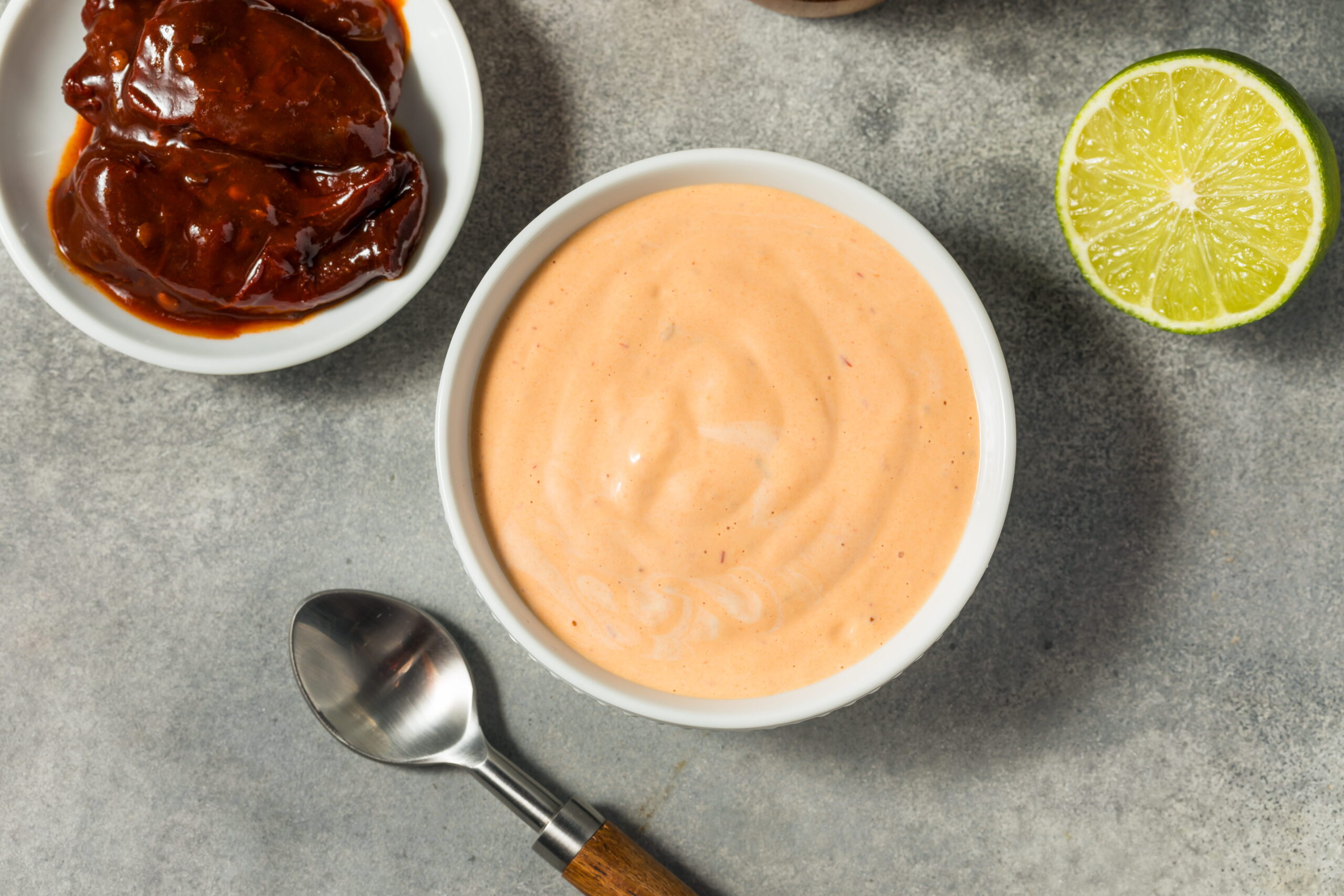
- Chipotle Mayonnaise – Smoky chili mayo with gentle heat and richness.
Crafting the Right Mayonnaise Starts with the Right Partner
Developing mayonnaise that matches specific market preferences requires expertise in formulation, ingredient selection, and processing techniques.
For food manufacturers and foodservice operators, choosing the right mayonnaise supplier is an important step in achieving consistent quality.
A reliable partner understands how flavor, texture, oil composition, and acidity influence the final product. They can help businesses create formulations that align with regional tastes, menu applications, and regulatory requirements.
Oleo-Fats, Incorporated works closely with food businesses to develop mayonnaise solutions that meet these needs. With experience in producing both classic and specialty formulations, we help clients deliver consistent flavor and texture across a wide range of applications.
Bringing Global Mayo Types to Your Menu
Mayonnaise has evolved far beyond its original form. This versatile sauce continues to adapt to different cuisines and consumer preferences.
The right mayonnaise formulation can enhance sandwiches, elevate salads, improve dipping sauces, and support product innovation.
Working with a knowledgeable supplier makes this process easier. Oleo-Fats offers customizable mayonnaise solutions designed for professional kitchens and food manufacturing operations.
Contact us today to learn how we can bring your next mayo concept to life.
Frequently Asked Questions
1. What makes mayonnaise different from other creamy sauces?
Mayonnaise is an emulsion made primarily from oil, egg yolks, and an acidic ingredient. Its stable emulsion gives it a thicker texture compared to sauces such as dressings or cream-based spreads.
2. Can mayonnaise be used as a base for other sauces?
Yes. Mayonnaise is commonly used as a base for sauces such as garlic mayo, tartar sauce, remoulade, and spicy mayonnaise.
3. Why do different countries have different mayonnaise flavors?
Regional ingredients and culinary traditions may influence mayonnaise formulations. Variations in oil type, acidity, sweetness, and seasoning create unique regional styles.
4. What oils are commonly used in mayonnaise?
Common oils include soybean oil, canola oil, sunflower oil, and olive oil. The choice of oil affects flavor, texture, and nutritional profile.
5. How do food manufacturers customize mayonnaise for different markets?
Manufacturers adjust ingredients such as oil ratios, acidity levels, sweetness, and seasonings to create products suited for specific regional preferences and culinary applications.