
Manufacturers across the snack, dairy, and confectionery sectors are under constant pressure to deliver products that meet consumer expectations for taste, texture, and nutrition without compromising on efficiency or sustainability. Amid these challenges, one ingredient has proven both timeless: coconut oil.
Beyond its culinary versatility, coconut oil offers measurable operational benefits. For food manufacturers seeking a reliable, high-performing fat source that supports quality, cost control, and cleaner-label demands, coconut oil is a smart choice.
Some benefits of using coconut oil include:
- Coconut oil can maintain consistent texture, flavor, and performance across diverse applications.
- Coconut oil enhances operational efficiency, supply reliability, and compliance with international standards.
- The health and sustainability advantages that make coconut oil a preferred ingredient for modern, market-driven innovation.
So, what are the benefits of coconut oil? Below is a closer look for food manufacturers.
The Different Benefits of Coconut Oilin Food Manufacturing
Derived from the meat of the coconut (Copra), this type of oil offers both operational and commercial advantages in food manufacturing.
Food Applications
The success of any food product depends on the consistency of texture, flavor, and overall sensory experience. Coconut oil provides the functionality manufacturers need to achieve these qualities across diverse formulations and processes.
1. Stability in High-Heat Applications
Coconut oil’s high saturated fat content makes it one of the most stable oils for high-heat processes. Refined coconut oil (RCO), in particular, maintains its integrity at temperatures up to 204–232°C, making it an excellent choice for frying, baking, and sautéing.
This coconut oil benefit ensures minimal flavor degradation, reduced oxidation, and longer shelf life—factors that contribute to consistent product quality and reduced waste in industrial operations.
2. Texture and Flavor Versatility
Manufacturers can appreciate coconut oil’s ability to influence texture and mouthfeel without overpowering a product’s intended flavor. Refined coconut oil provides a neutral base suitable for biscuits, snacks, and dairy products, where balance is essential.
Virgin coconut oil, on the other hand, offers a subtle tropical note that enhances certain formulations, particularly plant-based or premium lines targeting health-conscious consumers. This versatility enables manufacturers to use coconut oil across multiple product categories, reducing the need for multiple specialized fats and oils.
3. Shelf Stability and Product Preservation
The saturated fat composition of coconut oil contributes to longer shelf life, maintaining product freshness over time. Compared with other vegetable oils, coconut oil resists rancidity, helping manufacturers reduce spoilage and inventory losses. For export-oriented producers, this resilience is especially valuable in ensuring quality throughout long production and logistics chains.

Food Production Advantages
Beyond its culinary properties, coconut oil provides manufacturers with operational efficiencies that can streamline production, ensure regulatory compliance, and optimize costs.
1. Consistent Quality and Process Reliability
Coconut oil, when sourced and processed to international standards, delivers a stable composition and predictable performance in different production environments. This consistency is another critical benefit of coconut oil in terms of maintaining product quality at scale.
2. Cost Efficiency and Supply Chain Flexibility
The production of coconut oil, particularly through sustainable dry processing, yields a high output while maintaining purity and quality. Its cost efficiency makes it an attractive alternative to more volatile oil sources. When partnered with reliable suppliers such as Oleo-Fats, manufacturers gain the added advantage of traceable, ethically sourced materials, helping them mitigate risks of supply disruption and ensuring compliance with sustainability commitments.
3. Versatility Across Applications
Coconut oil’s physical properties allow it to function as a multipurpose ingredient across product lines. It serves as a shortening in select bakery applications, a fat base in confectionery, or a coating in snacks. Its adaptability enables manufacturers to simplify their ingredient inventories and achieve formulation flexibility without compromising on taste or performance.
Health, Market, and Consumer Appeal
As food manufacturers continue to innovate for a health-conscious and sustainability-driven market, coconut oil benefits provide both functional and marketing advantages.
1. Nutritional Benefits for Modern Consumers
Coconut oil is naturally rich in medium-chain triglycerides (MCTs), which can be more rapidly absorbed and metabolized by the body than long-chain fats. This makes it an appealing ingredient in energy-boosting snacks, sports nutrition, and ketogenic formulations. Additionally, its lauric acid content supports immune function and offers antimicrobial properties, further enhancing its health value proposition.
2. Plant-Based and Vegan Applications
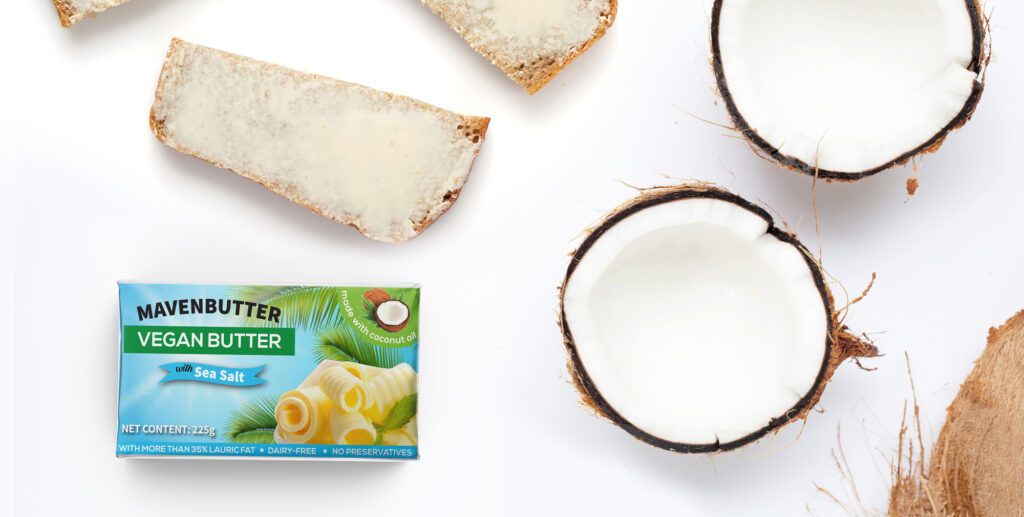
With the rise of plant-based diets and lactose-free alternatives, coconut oil has become a cornerstone ingredient in vegan dairy and confectionery products. It mimics the creamy texture and mouthfeel of traditional dairy fats, making it a natural alternative for vegan spreads, chocolates, and baked goods. Manufacturers leveraging coconut oil in these categories can cater to growing demand without sacrificing indulgence or sensory satisfaction.

3. Sustainability as a Benefit of Coconut Oil
Coconut oil, when sourced responsibly, provides a renewable and environmentally friendly fat source compared to palm or animal-based oils. Ethical sourcing practices, such as those upheld by Oleo-Fats through its partnerships with farms and membership in the Sustainable Coconut & Coconut Oil Roundtable, enable manufacturers to meet their ESG goals while maintaining competitive product quality.
Modern consumers are increasingly discerning, valuing brands that communicate transparency in ingredient sourcing and production practices. By incorporating sustainably sourced coconut oil into their formulations, manufacturers can reinforce their brand credibility and align with consumer values of health, sustainability, and ethical responsibility.
Frequently Asked Questions About Coconut Oil
Is coconut oil suitable for large-scale food manufacturing?
Yes. Its high heat stability, consistent performance, and long shelf life make coconut oil ideal for industrial applications such as frying, baking, confectionery, and dairy processing.
Does refined coconut oil affect product flavor?
No. The benefit of refined coconut oil is that it is neutral in flavor and aroma, making it versatile for both sweet and savory products without altering the intended taste profile.
How long does coconut oil last in storage?
When stored properly, refined coconut oil can maintain quality for up to two years, while virgin coconut oil can last even longer under optimal conditions.
Oleo-Fats: Your Trusted Source for Coconut Oil Solutions
As a world-class coconut oil manufacturer and exporter, Oleo-Fats produces a wide range of coconut-based products designed to meet the exacting demands of the global food industry. From RBD Coconut Oil and Low MOSH MOAH Coconut Oil to coconut butter spreads and coconut oil sprays, each product is crafted to deliver consistency, safety, and performance at scale.
Our commitment to sustainability and innovation is backed by ethical sourcing, advanced refining technology, and strict adherence to international quality standards. Oleo-Fats partners with food manufacturers worldwide—helping them achieve operational efficiency, regulatory compliance, and product excellence through reliable coconut oil solutions.

A Versatile Ingredient for the Modern Food Industry
Coconut oil continues to prove its value as a multifunctional ingredient in food manufacturing—delivering consistency, stability, and superior performance across diverse applications. Whether used for frying, baking, or product formulation, it offers manufacturers a dependable solution that enhances both operational efficiency and consumer appeal.
As a coconut oil supplier, Oleo-Fats takes pride in supplying the benefits of coconut oil through sustainable practices supported by technical expertise. Our commitment goes beyond production; we aim to help businesses innovate, achieve greater product integrity, and meet the growing global demand for cleaner, more sustainable ingredients.
Explore how Oleo-Fats’ coconut-based products can help your business create better, more sustainable food solutions, one ingredient at a time.