Mayonnaise is one of the most widely used condiments in the world. Its creamy texture, balanced tang, and ability to blend with other ingredients make it a staple in both professional kitchens and food manufacturing.
From sandwiches and salads to dips and sauces, food with mayonnaise appears across nearly every type of cuisine.
Understanding how mayonnaise is used in different foods can help chefs create more dynamic menus and help food businesses develop products that customers love.
Dishes With Mayonnaise
Mayonnaise appears in a wide range of recipes across foodservice and retail. Below are some of the most common dishes with mayonnaise and how they are used in professional kitchens and food manufacturing.
1. Dips and Flavored Sauces
Mayonnaise acts as a neutral carrier system. For manufacturers, it provides a shelf-stable emulsion; for chefs, it’s a canvas for acidity and spice.
- Aioli and Remoulade: While traditional aioli is garlic and oil, the foodservice standard is a “shortcut aioli” using mayo as a base for garlic, lemon, and herbs. In retail, stabilizers are added to ensure the garlic oils don’t break the emulsion.
- Sriracha Mayo (Spicy Mayo): A staple in sushi (TNT rolls) and burger joints. The fat in the mayo coats the tongue, mellowing the chili’s sharp “burn” and creating a long-lasting heat.
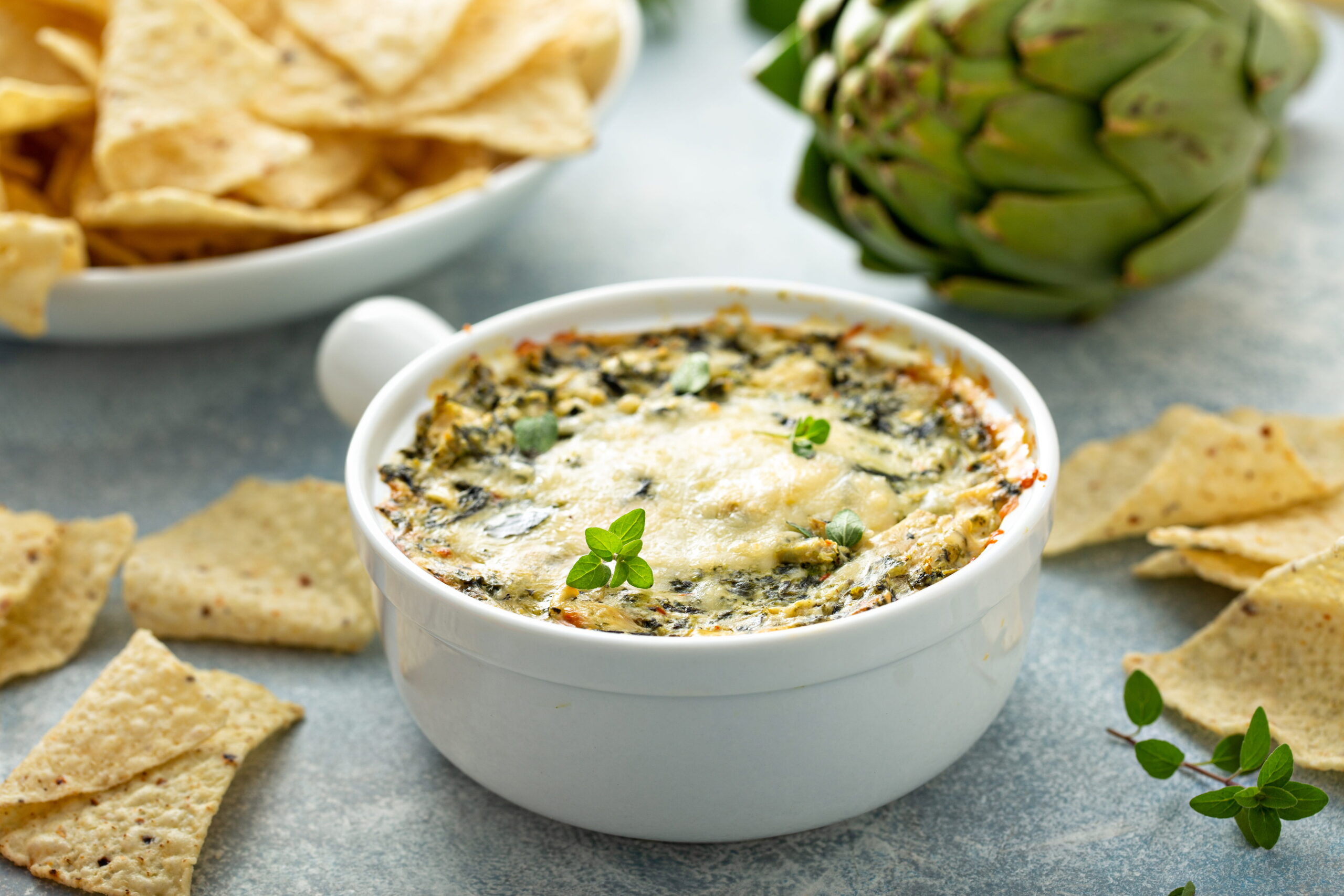
- Spinach Artichoke Dip: In retail-ready-to-eat (RTE) versions, mayo provides the creamy mouthfeel that holds up better under refrigeration than pure heavy cream, which can become grainy.
2. Cold Deli Classics (Bound Salads)
A bound salad is a culinary category in which the ingredients—usually chopped proteins, grains, or vegetables—are “bound” together with a thick, creamy dressing, most commonly mayonnaise. Unlike a tossed green salad, a bound salad is cohesive enough to hold its shape when scooped or molded.
- Classic Potato Salad: The mayonnaise acts as a protective barrier, coating the potato starch to prevent the dish from turning dry and mushy.
- Waldorf Salad: In this application, the mayo provides a savory counterpoint to the sweetness of apples and grapes, while its viscosity keeps heavy walnuts suspended in the mix rather than sinking to the bottom of the container.
- Tuna and Chicken Salads: In high-volume foodservice, mayonnaise is used to “extend” expensive proteins, adding weight and volume while providing essential moisture to lean ingredients that would otherwise feel dry on the palate.
3. Heat Management and Technical Browning
A frequent “pro-tip” among chefs and frozen food manufacturers is using mayonnaise as a primary fat source in high-heat applications, leveraging its unique chemical composition.
- The Grilled Cheese “Mayo Hack”: Many restaurants swap butter for a thin layer of mayonnaise on the exterior of the bread. Because mayonnaise has a higher smoke point than butter and contains egg solids, it facilitates a more even, golden-brown Maillard reaction without the risk of burning.
- Elote (Mexican Street Corn): Mayonnaise serves as the functional “glue” that holds heavy toppings like Cotija cheese and chili powder to the curved, moist surface of the corn cob.
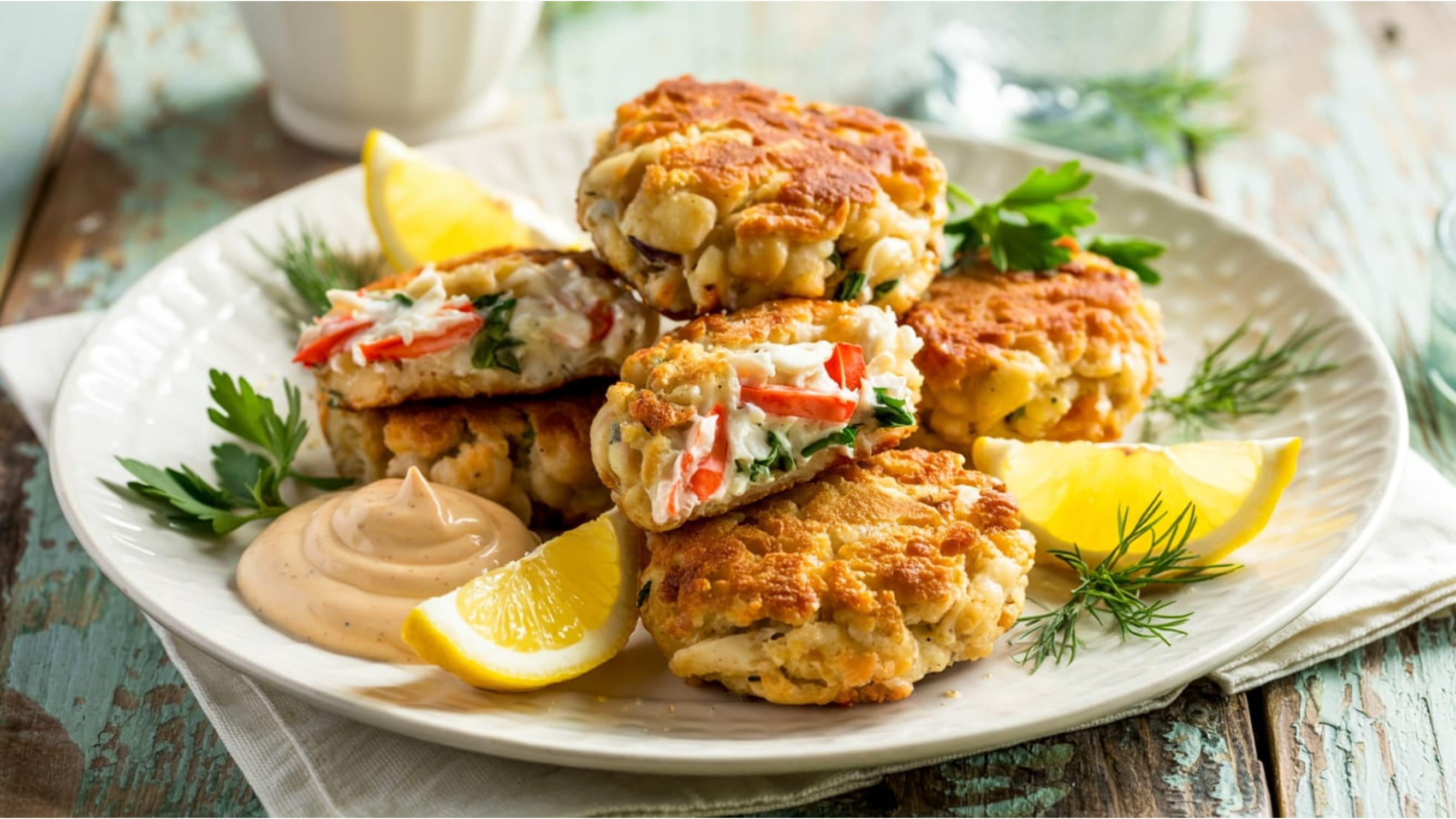
- Maryland Crab Cakes: Rather than relying on heavy breading, chefs often use a binder of mayo, mustard, and egg. During frying or broiling, the oil and egg in the mayo puff slightly, creating a light, soufflé-like texture rather than a dense, bready patty.
4. The Functional Barrier: Burgers and Sandwiches
Mayonnaise is used as a hydrophobic moisture barrier to maintain the structural integrity of the bread in the Quick Service Restaurant (QSR) sector.
- The “Club” Sandwich: By spreading mayonnaise edge-to-edge on the toast, chefs create a seal that prevents moisture from tomatoes or lettuce from migrating into the bread and making it soggy before it reaches the customer.
- Gourmet Burgers: Manufacturers often produce “Heavy Duty” mayonnaise for high-end restaurants; these formulas have a higher egg yolk content to resist melting or “breaking” when they come into contact with a hot beef patty.
5. Global Fusion and Modern Retail
Mayonnaise acts as a global bridge ingredient, often used by food scientists to adapt intense international flavors for a mass-market audience.
- Japanese Okonomiyaki: These savory pancakes are topped with a high-umami mayonnaise, typically formulated with rice vinegar and MSG, for a distinct, tangy profile.
- Bang Bang Shrimp: This popular appetizer uses mayonnaise to create a “velvety” coating on fried seafood, which allows a sweet-and-spicy glaze to adhere to the protein without compromising the crispness of the breading.
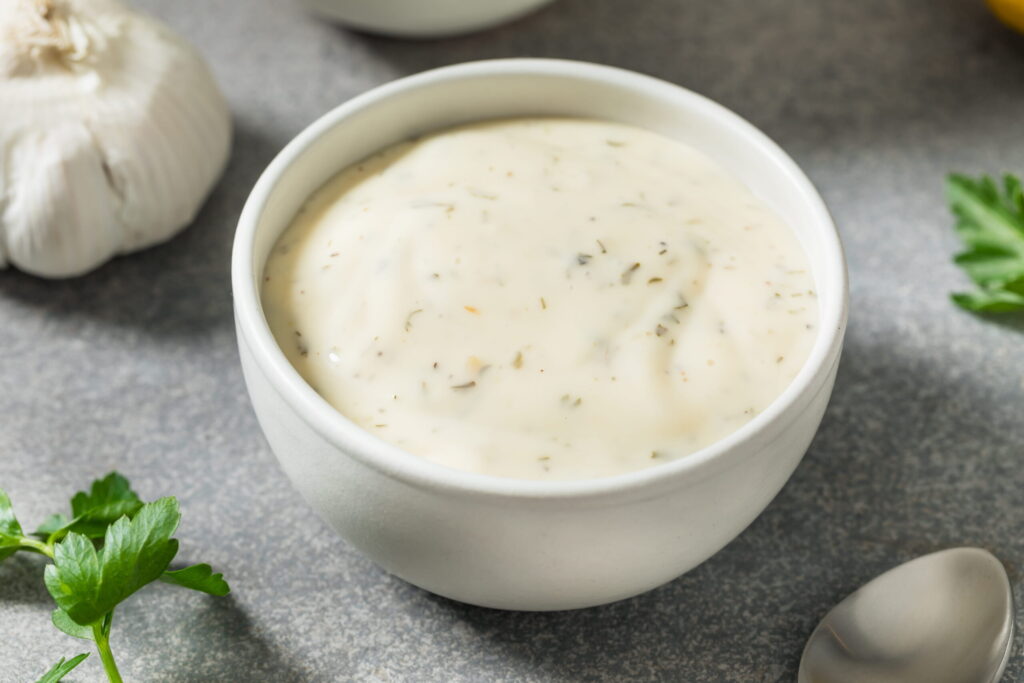
- Ranch Dressing: In the retail world, Ranch is essentially a thinned-down, seasoned mayonnaise. The phosphoric acid used in shelf-stable versions helps maintain the signature “buttermilk” tang while ensuring the product remains safe for the shelf.
The Secret to Creating Delicious Recipes With Mayonnaise
Consistency is just as important as flavor for restaurants and food manufacturers.
The mayonnaise used in production must perform reliably in different recipes, processing conditions, and storage environments.
This is why choosing the right mayonnaise supplier matters.
Oleo-Fats provides mayonnaise solutions designed for both foodservice and manufacturing applications. These products are formulated not only for direct use in sandwiches and salads but also for further processing into flavored sauces, dressings, and ready-to-eat foods.
With experience in producing multiple types of mayonnaise, Oleo-Fats, Incorporated supports businesses that require consistent quality, stable emulsions, and reliable performance across large production volumes.
Recipes Using TopChef Real Mayonnaise
TopChef Real Mayonnaise, a product of Oleo-Fats, is designed for professional kitchens that require dependable flavor and texture. Its creamy consistency makes it suitable for both direct application and recipe development.
Here are a few simple recipes using mayonnaise that showcase its versatility.
Discover the Possibilities of Mayonnaise
Mayonnaise remains one of the most versatile ingredients in modern kitchens. Its ability to carry flavors, create creamy textures, and stabilize sauces makes it valuable for both chefs and food manufacturers.
Oleo-Fats offers mayonnaise solutions designed for professional kitchens and food production environments. Whether used directly in food with mayonnaise or as a base for flavored sauces and processed foods, our products help businesses deliver dependable flavor and efficiency.
Contact us to make your culinary ideas a reality.