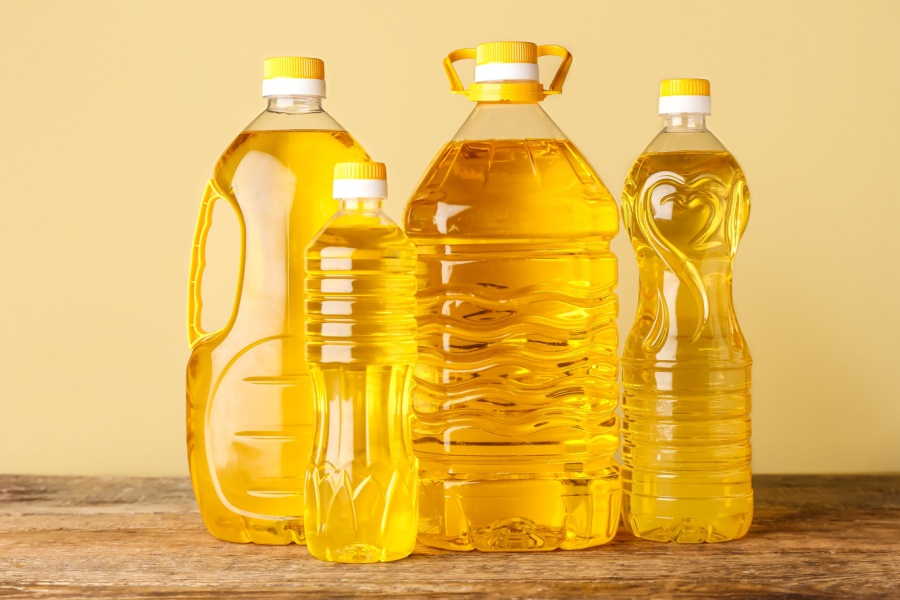
With so many oil options available in the market, knowing which one fits your application can make daily operations more efficient and consistent.
Key Takeaways:
- Different cooking oils are suited to different cooking applications.
- Neutral oils like corn, soybean, and canola support consistent flavor in large-scale production.
- Choosing the right oil depends on factors such as application, flavor, cost, and consistency.
Cooking oil is one of the most essential ingredients in commercial kitchens and food production facilities. From deep frying crispy products to enhancing baked goods, the types of cooking oil used in food preparation play a critical role in flavor, texture, stability, and product quality.
Different oils perform differently under heat, interact uniquely with ingredients, and affect shelf life and taste. Factors such as smoke point, oxidative stability, and shelf life all influence the choice of oil. For instance, high-smoke-point oils are ideal for deep frying, while mild oils work well in baking and sauces.
Understanding the types of cooking oil enables businesses to maintain product consistency and improve efficiency in large-scale operations.
Below, we look at several oils commonly used in foodservice and manufacturing, along with their smoke points, flavor characteristics, and typical culinary applications.
Different Types of Cooking Oil
Cooking oil refers to plant-derived fats used for frying, baking, and sautéing. Each of them has unique properties that influence how it performs in food preparation. The following are some of the most widely used oils in commercial kitchens and food manufacturing.
Coconut Oil
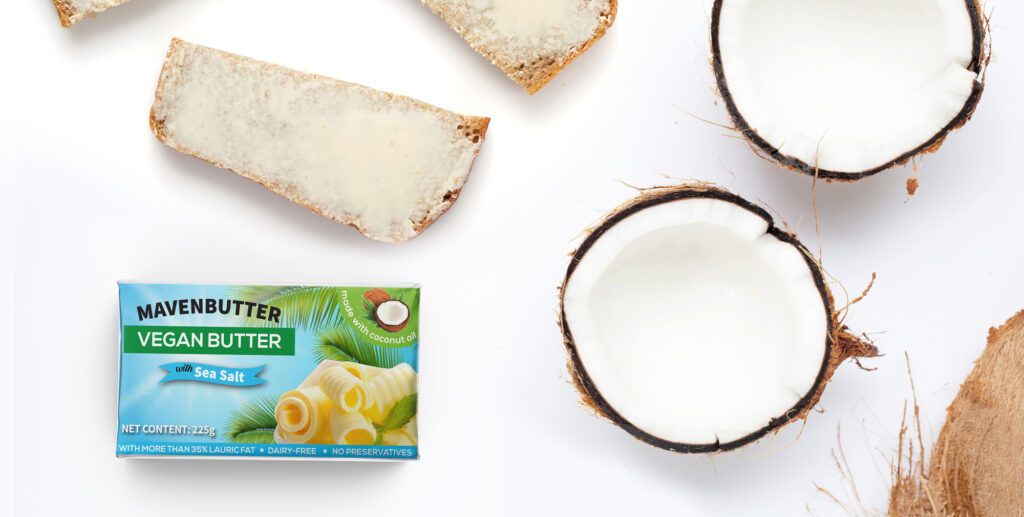
Coconut oil is a staple in many food applications, especially in tropical regions and Asian cuisines. Extracted from dried coconut meat, it contains a high level of saturated fats, which gives it excellent stability at high temperatures.
Coconut oil typically has a smoke point of around 350°F (177°C) for unrefined versions and higher for refined variants. The smoke point is the temperature at which oil begins to smoke. When this happens, it may affect the flavor and overall quality of the food.

Common applications include:
- Baking and confectionery products
- Frying and sautéing
- Processed snacks and baked goods
- Non-dairy creamers and plant-based products
While the mild aroma of unrefined oil enhances certain dishes, refined coconut oil offers a neutral flavor. Its natural stability also extends the shelf life of various food products.
Palm Oil
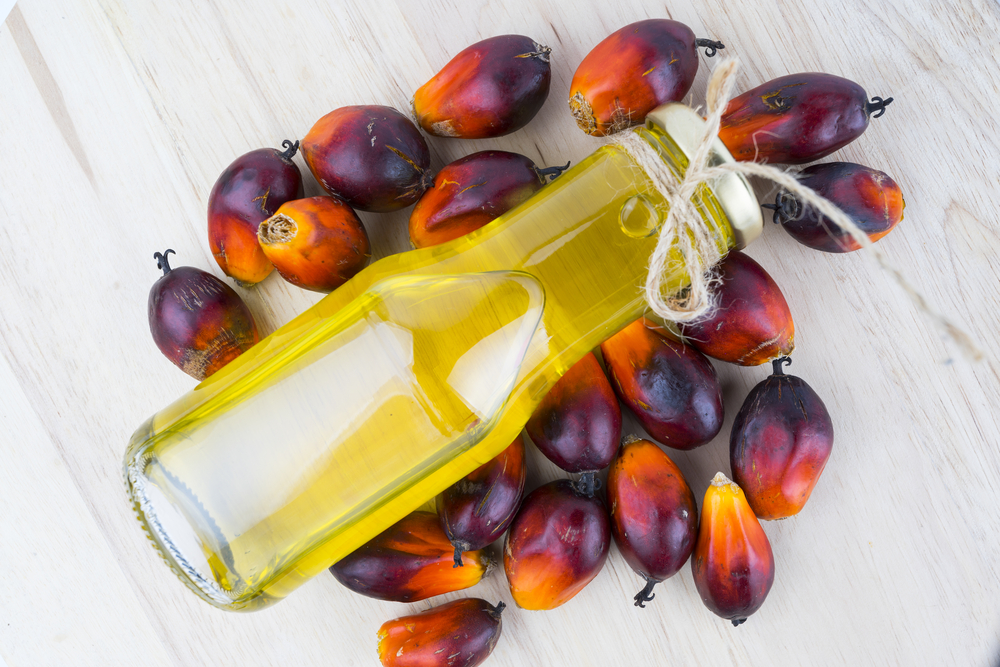
Palm oil is widely used in food manufacturing due to its excellent heat stability and versatility. Derived from the fruit of oil palm trees, it has a balanced fatty acid composition that allows it to perform well in frying and processed foods.
With a smoke point of around 450°F (232°C), palm oil is commonly used in commercial frying operations.
Typical uses include:
- Deep frying in restaurants and fast-food chains
- Margarine and shortening production
- Snack foods such as chips and crackers
- Bakery products
Palm oil also provides a slightly rich flavor and natural color that can enhance the appearance of fried products.
Corn Oil
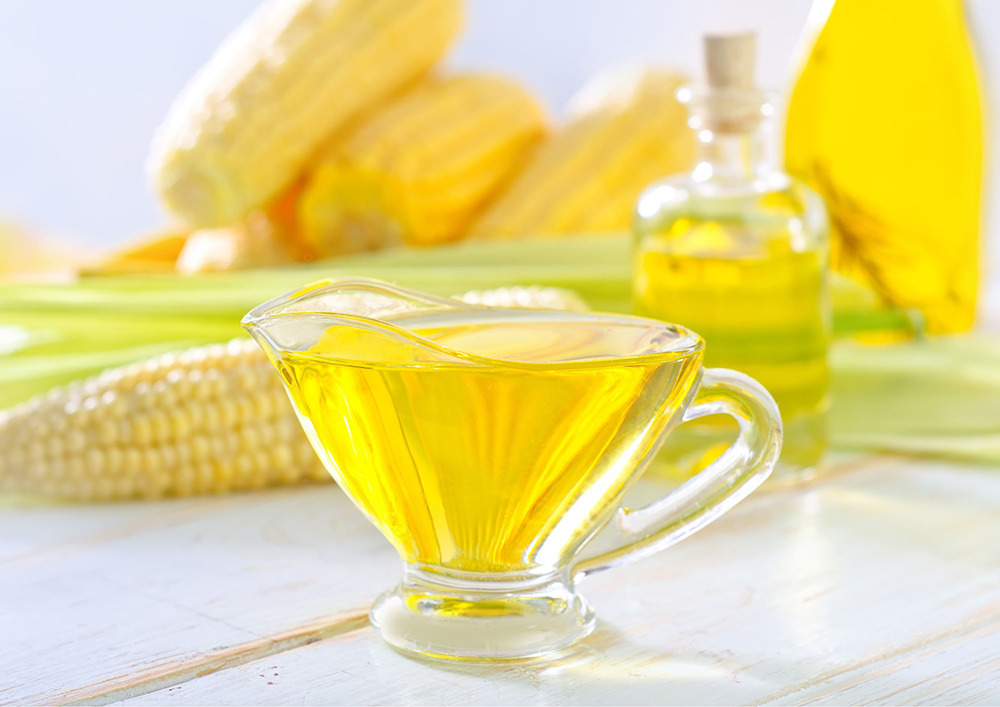
Corn oil is known for its light flavor and high smoke point, making it suitable for a wide range of cooking methods. Extracted from corn germ, it is rich in polyunsaturated fats.
Corn oil generally has a smoke point of about 450°F (232°C), which makes it a popular choice for frying.
Common uses include:
- Deep frying and pan frying
- Salad dressings and sauces
- Baking applications
- Food processing for snacks and ready-to-eat products
Because of its neutral taste, corn oil does not overpower other ingredients, which is why it is often used in commercial kitchens.
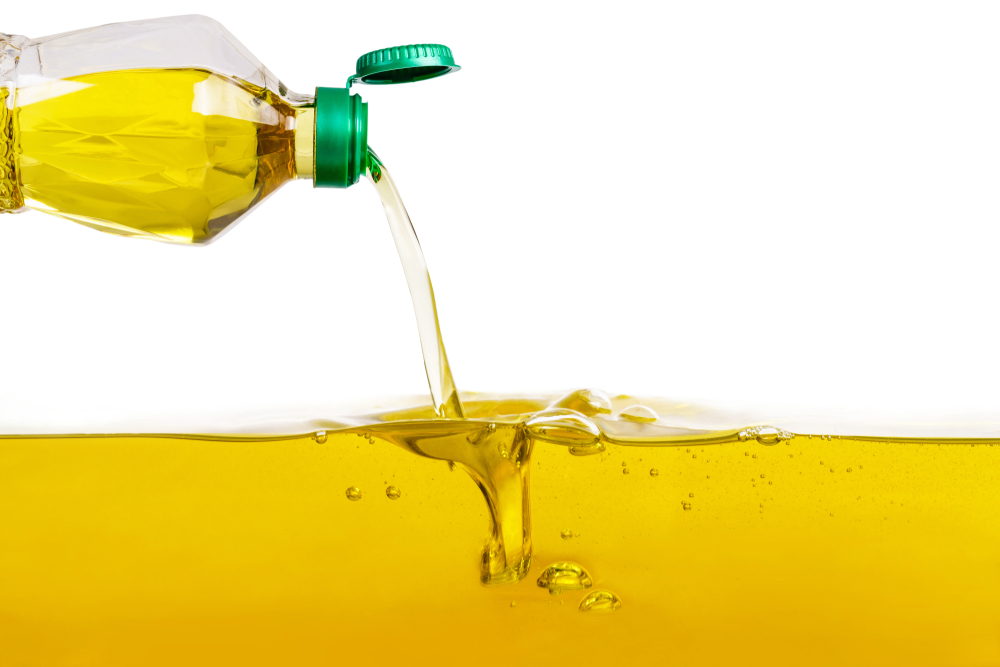
Vegetable Oil
Vegetable oil is a broad category that often refers to refined blends derived from several plant sources, such as soybean, corn, or palm.
Because of its versatility, vegetable oil is one of the most widely used cooking oils in restaurants, food manufacturing, and institutional kitchens.
Vegetable oils typically have high smoke points between 400°F and 450°F, depending on the formulation.
Applications include:
- Deep frying
- Stir-frying and sautéing
- Baking and pastries
- Sauce bases and emulsified products
Vegetable oil’s neutral flavor and consistent performance make it ideal for large-scale operations where reliability and cost efficiency are important.
Canola Oil
Canola oil is valued for its light texture and neutral taste. Extracted from the seeds of the canola plant, it contains a balanced composition of monounsaturated and polyunsaturated fats.
It has a smoke point of approximately 400°F (204°C), making it suitable for a wide range of cooking applications.

Typical uses include:
- Sautéing and stir-frying
- Salad dressings and mayonnaise
- Baking and food processing
- Light frying
Because of its mild flavor, canola oil blends easily with other ingredients and works well in recipes where the oil should not dominate the taste.
Sunflower Oil
Sunflower oil is extracted from sunflower seeds and is widely used in food manufacturing and hospitality kitchens.
This oil has a smoke point around 440°F (227°C), making it suitable for high-temperature cooking. It also has a clean, light taste that does not interfere with other ingredients.

Common uses include:
- Frying and sautéing
- Baking and confectionery
- Salad dressings
- Processed food manufacturing
Sunflower oil’s smooth flavor profile makes it a flexible ingredient in many commercial kitchens.
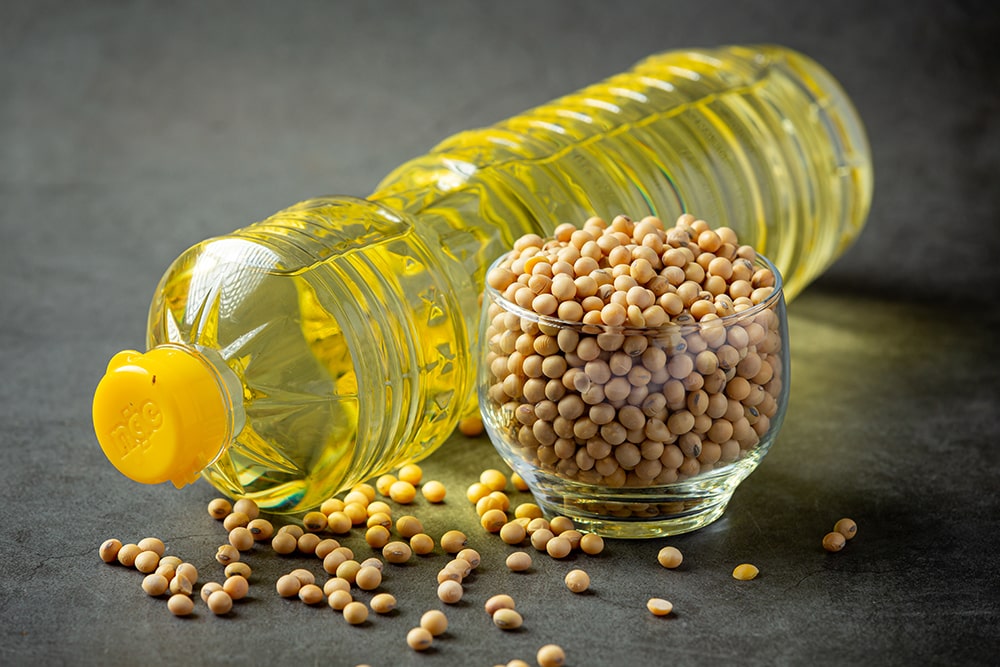
Soybean Oil
Soybean oil is one of the most widely used cooking oils globally due to its availability and versatility. Extracted from soybean seeds, it is commonly used in both food service and industrial food production.
Soybean oil typically has a smoke point of around 450°F (232°C).
Applications include:
- Deep frying
- Margarine production
- Salad dressings and sauces
- Packaged food products
Its neutral taste and reliable frying performance make it a practical choice for many commercial kitchens.
Blended Cooking Oils
Blended oils combine two or more oils to achieve specific functional properties such as improved heat stability, enhanced flavor, or optimized cost efficiency.
Examples of blended oil applications include:
- High-performance frying oils
- Specialty bakery formulations
- Sauce and dressing emulsification
- Food processing applications
These custom cooking oil blends are commonly used in food manufacturing because they allow businesses to tailor oil performance to specific products.
Emerging Preferences in Cooking Oils
The food industry continues to evolve as consumer preferences shift toward plant-based and health-conscious ingredients.
Many food manufacturers and hospitality businesses are now exploring oils that offer improved nutritional profiles or sustainability benefits. This includes oils derived from plant sources and those with lower saturated fat levels.
At the same time, there is growing interest in specialty oils such as olive oil and sesame oil, which provide distinctive flavor profiles for premium dishes.
In many cases, businesses are combining different oils to achieve the right balance of performance, flavor, and stability.
Some options can be explored further through specialty oils that support evolving culinary trends.
Factors to Consider When Choosing Cooking Oil for Commercial Use
Choosing among the many types of oil for cooking is not only about flavor. For food manufacturers and hospitality operators, several practical considerations come into play:
- Cooking method: High-heat frying requires oils with high smoke points and strong oxidative stability.
- Flavor compatibility: Neutral oils work well in large-scale production where consistent flavor is important.
- Cost efficiency: Bulk purchasing and oil life can influence operational costs.
- Product consistency: Food manufacturers require oils that deliver reliable performance across batches.
Working with a trusted cooking oil manufacturer ensures consistent oil quality and supply.
Power Your Food Operations With the Right Cooking Oil
Cooking oils are a fundamental component of food preparation and product development. Understanding the types of cooking oil available allows food manufacturers and hospitality businesses to choose oils that match their cooking methods, flavor requirements, and production goals.
From coconut oil to soft oils, each option offers unique benefits depending on how it is used. Blended oils and specialty oils further expand the possibilities for commercial kitchens and food processors.
As demand continues to grow for plant-based and performance-driven oils, businesses benefit from working with a dependable supplier that understands the needs of commercial food operations.
Oleo-Fats, Incorporated offers exceptional specialty fats, oils, and food ingredients tailored for large-scale food production and food service. With customized solutions for bulk requirements, it also helps clients develop cooking oil solutions that align with their operational needs.
If your business is looking for reliable cooking oils or customized blends for commercial use, explore the full range of offerings from Oleo-Fats. Connect with us today to discuss the right product for your foodservice or manufacturing needs.
Frequently Asked Questions (FAQs) About Cooking Oils
What type of cooking oil is best for deep frying in commercial kitchens?
Oils with high smoke points and strong heat stability, such as palm oil, soybean oil, corn oil, and sunflower oil, are commonly used for deep frying in restaurants and food production facilities.
Why is smoke point important when choosing cooking oil?
An oil’s smoke point is the stage at which it begins to break down under heat and emit smoke, potentially affecting aroma, taste, and product quality.
Are blended cooking oils commonly used in food manufacturing?
Yes, many food manufacturers use blended oils because they allow producers to optimize heat stability, flavor neutrality, and cost efficiency for specific food products.
How do food manufacturers select the right cooking oil supplier?
Manufacturers typically look for suppliers that provide consistent product quality, reliable bulk supply, and customized oil solutions designed for large-scale food production.